Shopping Cart
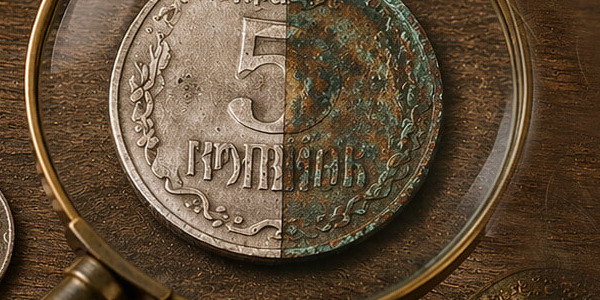
The first thing you need to know about coin cleaning: sometimes a "dirty" coin with a natural patina is worth more than the same one that has been carefully cleaned. Patina is not dirt, but a protective layer that forms over the years and is part of the numismatic value. It is easy to remove it in five minutes with baking soda or lemon juice. It is impossible to put it back. That is why coin cleaning is considered one of the riskiest interventions in a collection.
When cleaning is justified - and how not to turn it into a mistake
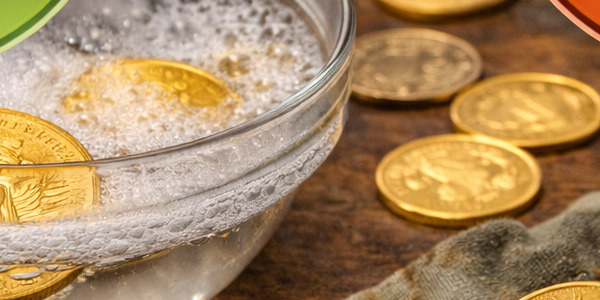
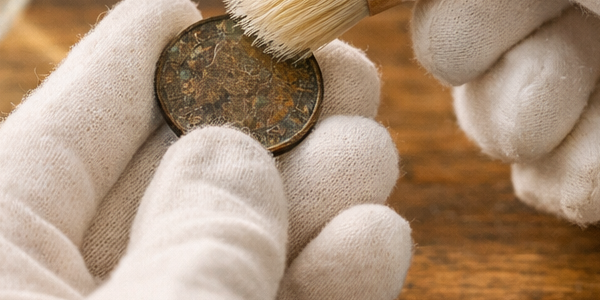
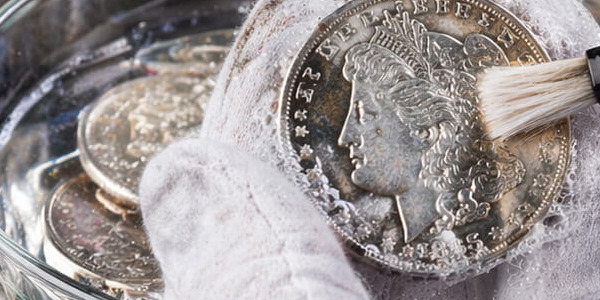
There are situations when coin care is really necessary: removing active corrosion that destroys the metal, or delicately cleaning the coin before storage. But the approach here is different - without abrasives, aggressive chemicals and mechanical friction. Professional coin cleaning involves working with a specific metal, a specific type of contamination, and a clear understanding of what you want to achieve as a result. A typical beginner's mistake is to clean everything at once because "it looks better that way." For a collectible coin, "looking better" and "costing more" are two different things.
This category contains honest materials on how to clean coins — and when it's better not to do it at all. We analyze methods for different metals, explain whether it's possible to clean coins of specific types, and analyze the most common mistakes. If you have a coin that you want to "put in order" — read this first.