Shopping Cart
This category contains articles about the 2 euro coin, the most popular denomination for collecting in Europe. Here you will find reviews of specific issues, explanations of coin values, and practical advice for beginners and experienced coin collectors.
The 2 euro coin has been minted since 1999 and is the largest denomination in the euro system. Each country in the eurozone has its own reverse design, and since 2004, countries have been allowed to issue 2 euro commemorative coins dedicated to anniversaries, historical events, and national symbols. It is this diversity that makes them so attractive to collect.
What makes euro collector coins special?
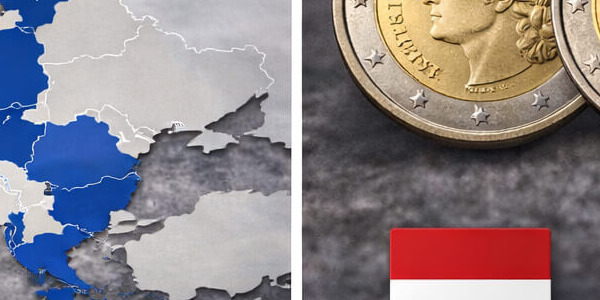
Unlike regular circulation coins, commemorative and collector series are limited in circulation and often come in special packaging. Some countries — including Monaco, the Vatican City, and San Marino — issue coins in editions of several thousand pieces. This automatically makes them scarce in the year of issue.
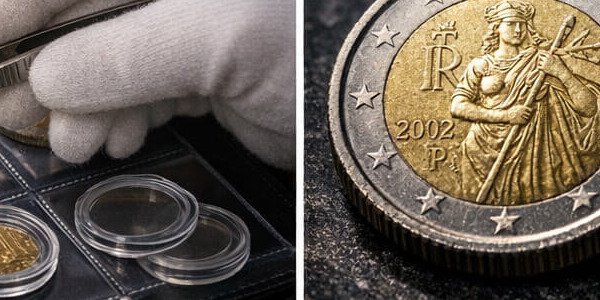
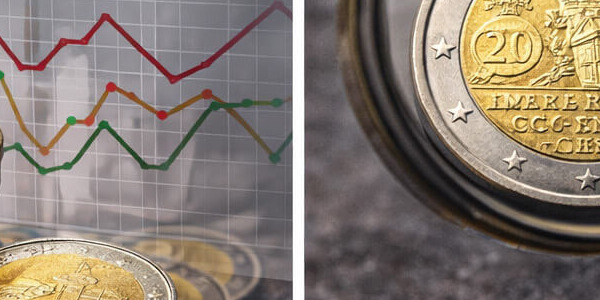
The value of a particular specimen depends on several factors: the issuing country, the year of minting, the theme, and the state of preservation. Coins in UNC or BU condition are worth significantly more than face value, and some rare issues reach hundreds of euros at numismatic auctions. In our articles, we analyze in detail what to look for when evaluating and buying.
Who these materials are for
If you are just starting to collect collectible euro coins — here you will find basic articles about the euro coin system, explanations of preservation standards, and tips for your first collection. If you already have experience, the blog contains reviews of specific series, analysis of market prices, and materials about rare erroneous issues.
We will separately cover the topic of buying: how convenient an online store is compared to exhibitions and markets, how to check the authenticity of a coin, and what to look for in the lot description. If after reading this you want to buy 2 euro coins, you can go to the catalog directly from the article.