Shopping Cart
Some rare coins are sold at auctions for amounts with several zeros in them — and this is no exaggeration. The fact is that the value of a coin is rarely determined by the metal or face value alone. A mintage of several hundred copies, a mintage error that was not noticed in time at the mint, or a coin that has survived in perfect condition after a hundred years — each of these factors can turn an ordinary metal circle into a serious asset. And the most interesting thing: sometimes such a coin lies in a drawer for years or even circulates — simply because the owner does not know what he is holding in his hands.
What determines rarity and how to determine it
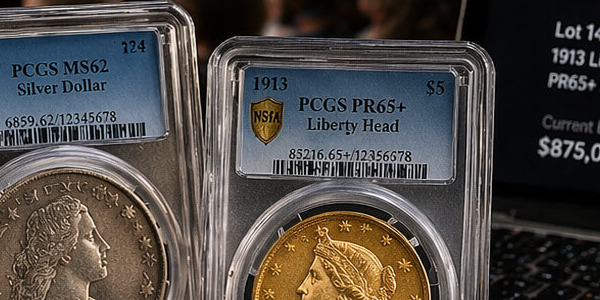
Valid coins are not always antiques. A modern collector's coin with a mintage of 500 pieces in ten years can be worth many times more than its face value simply because of the shortage on the market. Expensive coins with minting errors are a separate category: an inverted portrait, a double die strike, the wrong metal — such specimens have been sought by numismatists for years. The state of preservation also plays a decisive role: the same coin in "circulation" condition and in UNC condition can differ in price by dozens of times.
In this category, we analyze how to determine the value of a coin, publish reviews of specific rare issues, selections of the most expensive specimens, and real stories of unexpected finds. If you have ever wondered "what if I have something valuable?" — you will find the answer here.