
Shopping Cart

A joint 2 euro commemorative coin issued by Austria in 2007 as part of a pan-European issue to commemorate the 50th anniversary of the Treaties of Rome. All eurozone countries issued a coin with an identical design, differing only in the name of the issuing country in the language of that country. The design was chosen in a competition between European mints.
Obverse
The centre of the coin depicts the unfolded document of the Treaty of Rome, signed by the six founding countries, against the backdrop of the paving of Piazza del Campidoglio (Capitol Square) in Rome, designed by Michelangelo. It was there that the signing took place on 25 March 1957. Above the document is the inscription "EUROPA". Around it are the inscriptions "VERTRAG VON ROM 50 JAHRE" (Treaty of Rome 50 years) in German and "REPUBLIK ÖSTERREICH" (Republic of Austria). The year of issue "2007" is at the bottom. On the outer ring - 12 EU stars.
Reverse
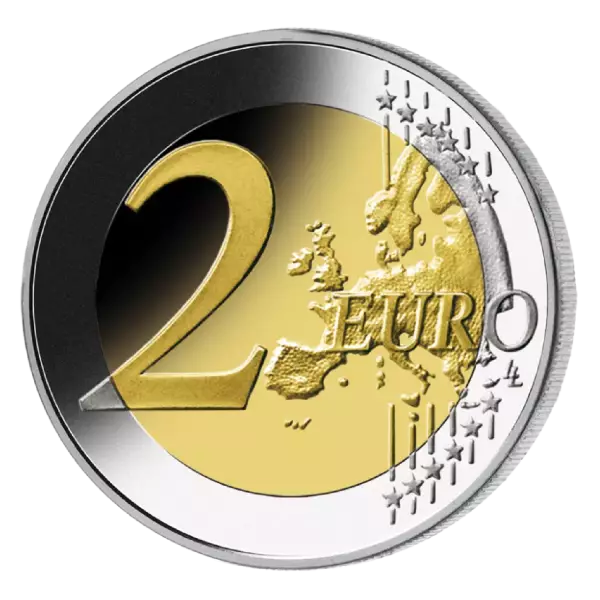
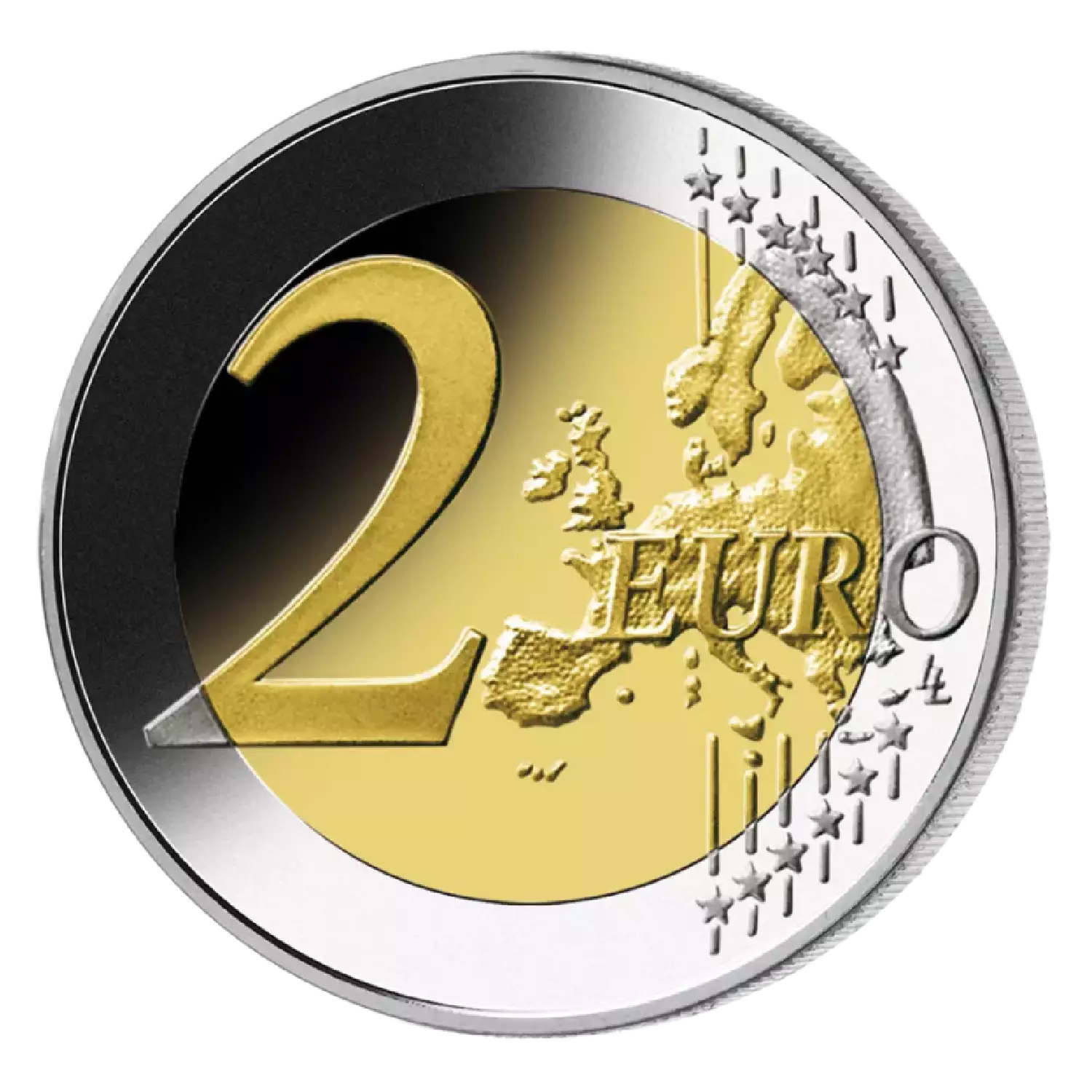
The reverse is the updated common side of the 2 euro coins of the second type, introduced since 2007 in connection with the enlargement of the EU. Designed by Luc Luix, it depicts a map of Europe as a single continent without national borders - a symbol of the unity of European peoples. On the left - the denomination "2" and the inscription "EURO", on the right - a map. On the outer ring - 12 EU stars. The band has a fine groove with the inscription "2 EURO ***", repeated four times.
Historical context
The Treaties of Rome were signed on 25 March 1957 by representatives of six countries - Belgium, France, West Germany, Italy, Luxembourg and the Netherlands - in the Palace of the Conservatives on Capitoline Hill in Rome. The treaties established the European Economic Community (EEC) and the European Atomic Energy Community (Euratom). They introduced a common market, a customs union and the abolition of trade barriers. These documents laid the foundation for further European integration, which led to the creation of the European Union in 1992 and the introduction of the euro in 1999.