
Shopping Cart
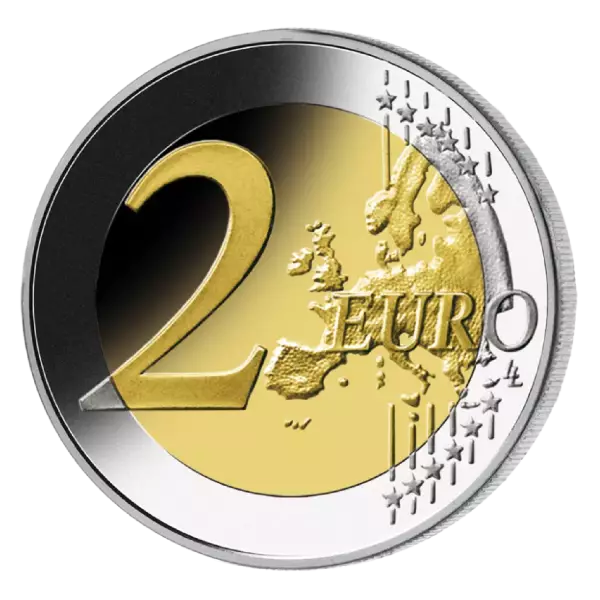

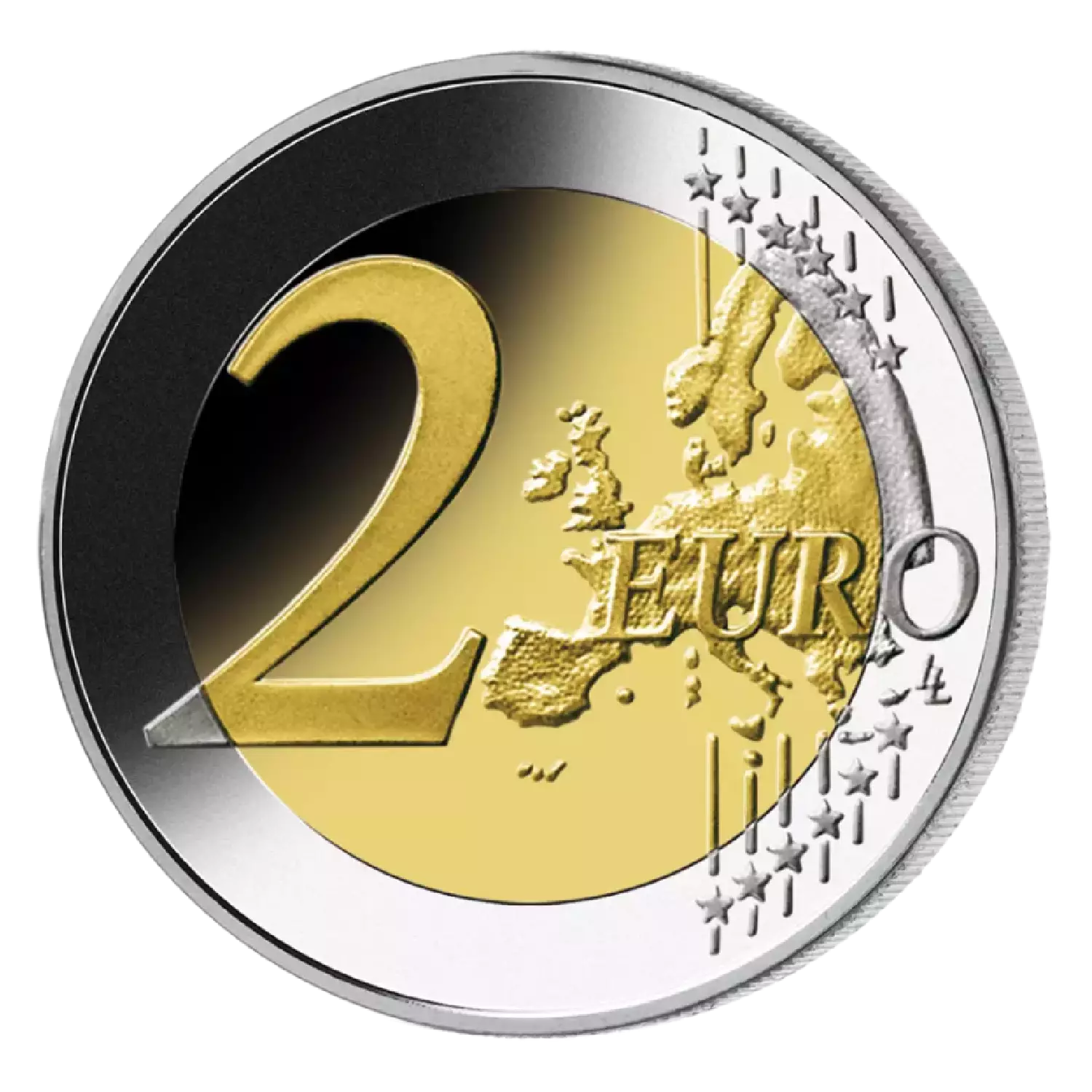
Commemorative coin of the Kingdom of Belgium, issued in 2011. Dedicated to the 100th anniversary of International Women's Day. Bimetallic, diameter 25.75 mm, weight 8.5 g. Reverse - the common side of the 2 euro coins.
Obverse
In the center of the coin are two female portraits in profile - Isala Van Diest (1842–1916), the first Belgian female doctor, and Marie Popelin (1846–1913), the first Belgian woman with a law degree. Above the portraits - the country code "BE". On the left - the name "I.VAN DIEST", on the right - "M.POPELIN". Below - the year of issue "2011", as well as the mint and mintmaster marks. On the outer ring - 12 stars of the European Union.
Reverse
Reverse - the common side of the 2 euro coins of the second type, designed by Luc Luix. A map of Europe without internal borders, on the left - the denomination "2" and the inscription "EURO", on the right - a map. On the outer ring - 12 stars of the EU. On the band - a groove with the inscription "2 ★ ★", repeated six times.
Historical context
International Women's Day (March 8) was first celebrated in 1911 in Germany, Austria, Denmark and Switzerland at the suggestion of Clara Zetkin, made at the International Conference of Socialist Women in Copenhagen in 1910. The day became a symbol of the struggle for women's equality. Belgium honored him with two prominent compatriots: Isala Van Diest (1842–1916) became the first Belgian woman to receive a medical degree—she studied in Bern, as Belgian universities did not admit women at the time—and the first licensed physician in Belgium (1884). Marie Popelin (1846–1913) was the first Belgian woman to earn a doctorate in law (1888), although she was not allowed to practice as a lawyer, and became a prominent campaigner for women's rights.