
Shopping Cart
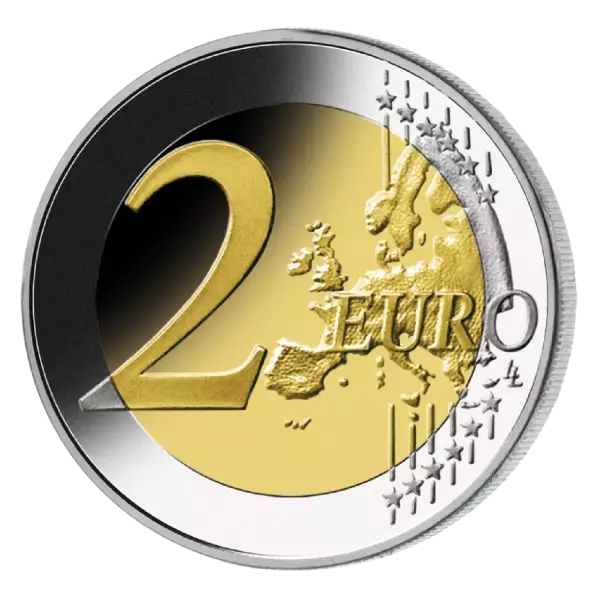

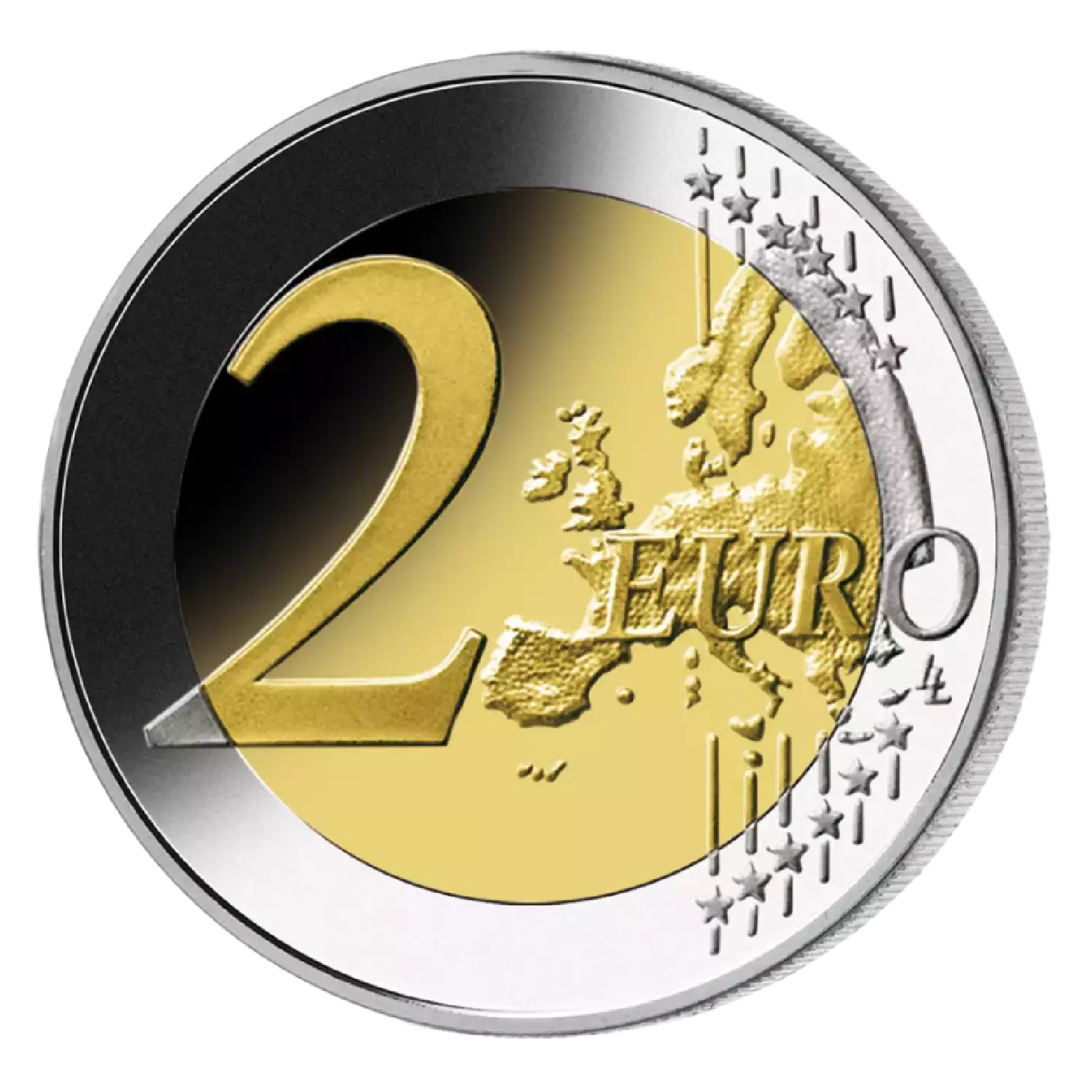
Commemorative coin 2 euros of the Kingdom of Belgium, issued in 2014. Dedicated to the 100th anniversary of the start of the First World War. Bimetallic, diameter 25.75 mm, weight 8.5 g. Reverse - the common side of the 2 euro coins.
Obverse
In the center of the coin is a poppy flower (a symbol of remembrance for those who died in the First World War) above the dates "2014–2018". Below these dates is the inscription "The Great War Centenary". Below the inscription is the mintmaster's mark and the Brussels mint mark - the head of the archangel Michael in a helmet in profile. The coin also bears the name of the country in the three official languages "BELGIE-BELGIQUE-BELGIEN" and the year of issue "2014". On the outer ring are the 12 stars of the European Union. The poppy as a symbol of remembrance comes from the famous poem "In Flanders Fields" by Canadian doctor John McCrae (1915), written during the war.
Reverse
The reverse is the common side of the 2 euro coins of the second type, designed by Luc Luix. A map of Europe without internal borders, on the left - the denomination "2" and the inscription "EURO", on the right - the map. On the outer ring are the 12 stars of the EU. On the band - a groove with the inscription "2 ★ ★", repeated six times.
Historical context
The First World War began on 28 July 1914 after the ultimatum of Austria-Hungary to Serbia following the assassination of Archduke Franz Ferdinand in Sarajevo on 28 June 1914. On 4 August 1914, the German Empire violated Belgium's neutrality by invading the country to invade France. Belgium, which had pledged to remain neutral since 1839, found itself at the epicenter of the war. Some 120,000 Belgian soldiers and over 30,000 civilians died, and the country suffered enormous destruction (Louvain with its world-famous library was burned). The Flanders Fields, the main battlefield in Western Europe, became the site of the most tragic battles. The war lasted until 11 November 1918 and claimed over 17 million lives.