
Shopping Cart
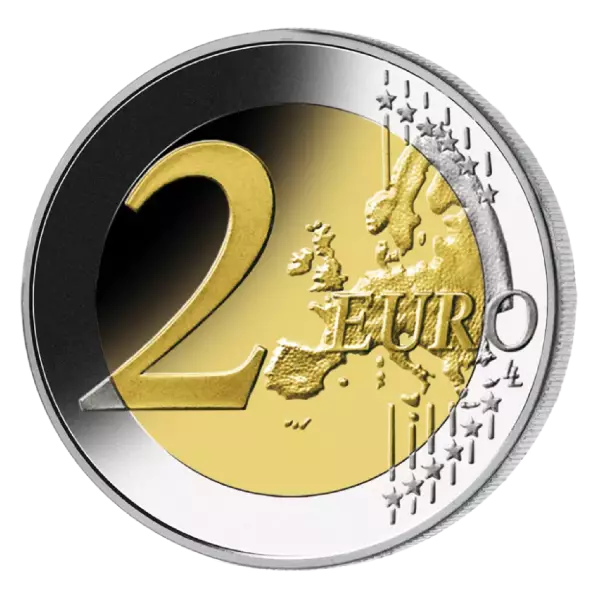

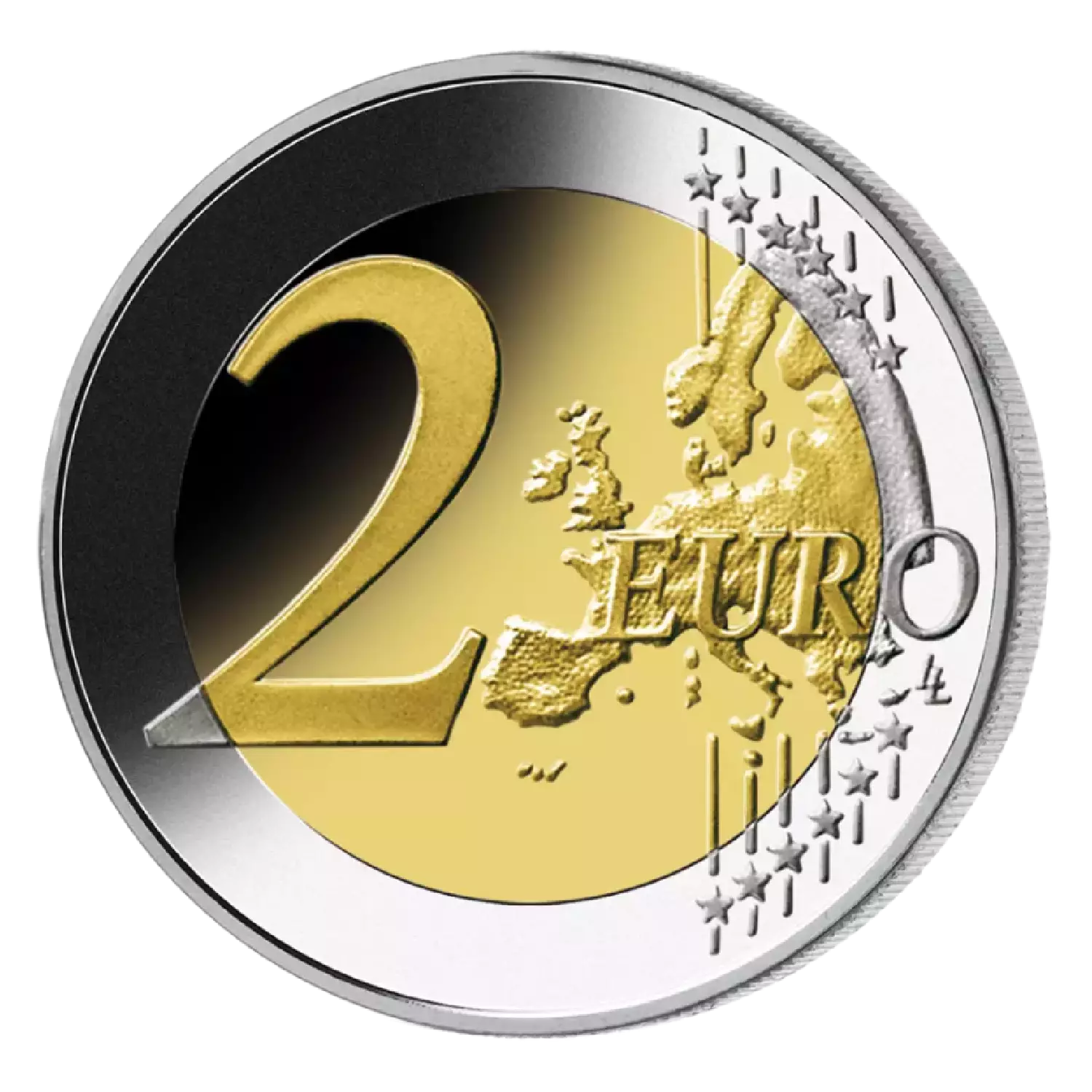
Commemorative coin of the Kingdom of Belgium, 2 euros, issued in September 2017. Dedicated to the 200th anniversary of the University of Liège. Bimetallic, diameter 25.75 mm, weight 8.5 g.
Obverse
The center of the coin depicts the logo of the University of Liège - a stylized image that includes historical elements of the university's architecture. Below the logo are the dates "1817–2017", emphasizing the 200th anniversary. Around it is an inscription in two languages: "200 ANS UNIVERSITÉ DE LIÈGE" in French and "200 YEARS UNIVERSITY OF LIEGE" in English. There are the mint marks (the head of the archangel Michael) and the director's mark (a cat), as well as the country code "BE". On the outer ring - 12 stars of the European Union.
Reverse
Reverse - the common side of the 2 euro coins of the second type, designed by Luc Luix. A map of Europe without internal borders, on the left - the denomination "2" and the inscription "EURO", on the right - the map. On the outer ring - 12 stars of the EU. On the band - a groove with the inscription "2 ★ ★", repeated six times.
Historical context
The University of Liège (Université de Liège, ULiège) is a public research university, founded on 25 September 1817 by King William I of the Netherlands, when the present-day territory of Belgium was part of the United Kingdom of the Netherlands. The university is one of three universities founded by William I in the southern provinces of the kingdom (along with the universities of Ghent and Leuven). After the formation of Belgium in 1830, the university continued to grow and is today one of the largest universities in the country with over 25,000 students and 4,500 teachers. ULiège is known for its achievements in the fields of astrophysics (discovery of the TRAPPIST-1 exoplanet system in 2016), biology, veterinary medicine and art history. Nobel laureate in physiology Albert Claude is one of the university's most famous alumni.