
Shopping Cart
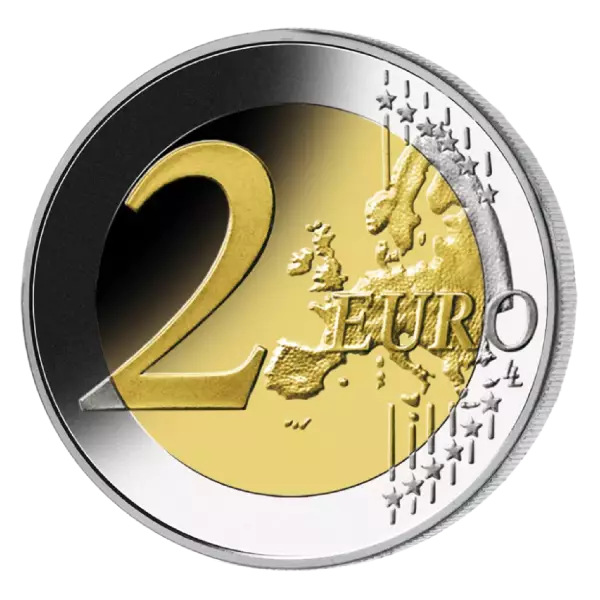

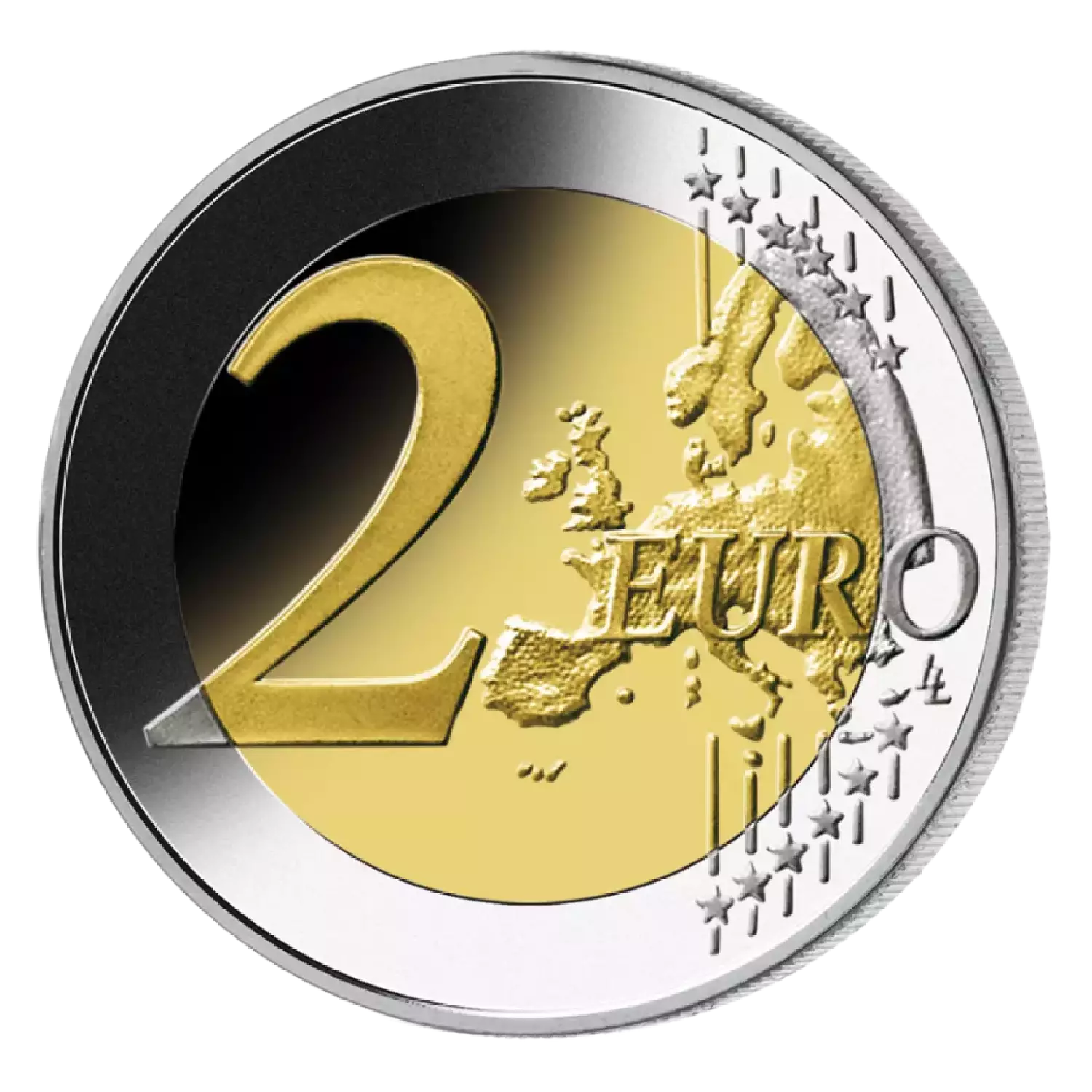
Commemorative coin of the Kingdom of Belgium, issued in 2023. Dedicated to the architectural style of Art Nouveau. Bimetallic, diameter 25.75 mm, weight 8.5 g.
Overse
The center of the coin depicts wavy, floral, organic lines and ornaments characteristic of the Art Nouveau style. The design uses motifs typical of Art Nouveau - winding lines, floral elements, symmetrical patterns. There are references to prominent works of Belgian Art Nouveau - the Tassel mansion (1893, Victor Horta), the first true masterpiece of Art Nouveau in the world. Around - the inscription "Art Nouveau", the country code "BE", the year "2023", the mint and director's marks. On the outer ring - 12 stars of the European Union.
Reverse
The reverse is the common side of the 2 euro coins of the second type, designed by Luc Luix. A map of Europe without internal borders, on the left - the denomination "2" and the inscription "EURO", on the right - the map. On the outer ring - 12 stars of the EU. On the band - a groove with the inscription "2 ★ ★", repeated six times.
Historical context
Art Nouveau (French: Art Nouveau, German: Jugendstil, Italian: Stile Liberty) is an international artistic movement that flourished from the 1890s to the 1910s. Belgium, and especially Brussels, was one of the main centers of the birth of this style. Victor Horta (1861–1947) is considered one of the founders of Art Nouveau - his Tassel Mansion in Brussels (1893) is often called the first true Art Nouveau building. Other notable Belgian masters include Henri van de Velde, Paul Ancar, and Gustave Serrurier-Bovy. The style was characterized by the use of organic forms, wavy lines, stylized floral ornaments, and the integration of architecture with decorative arts. In 2000, four of Victor Horta's mansions were included in the UNESCO World Heritage List.