
Shopping Cart
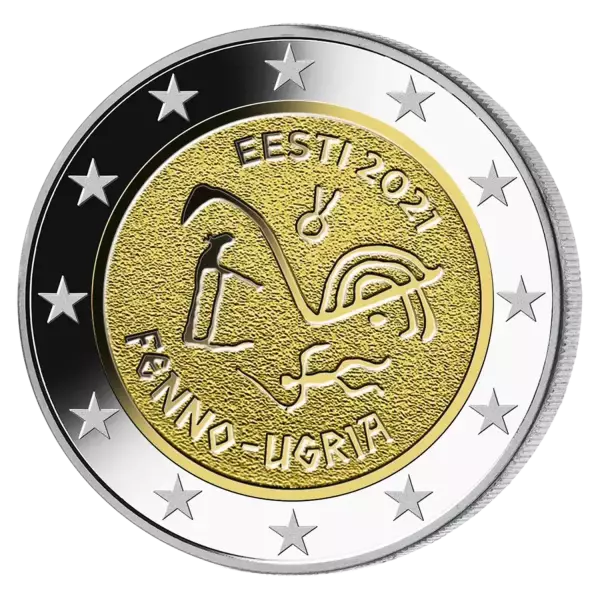
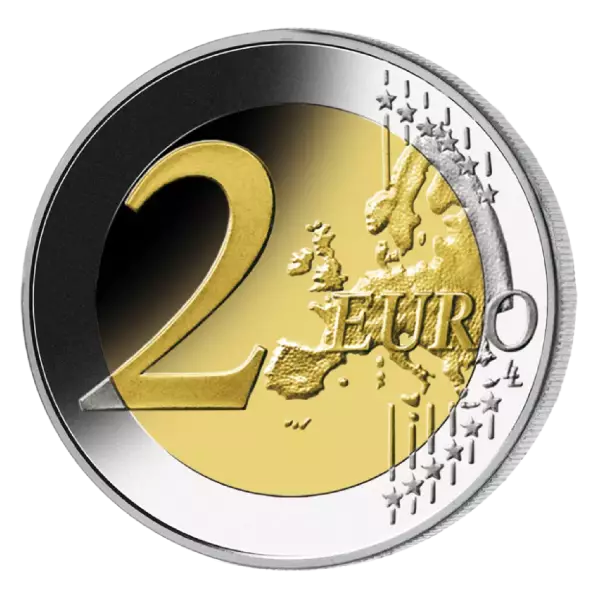


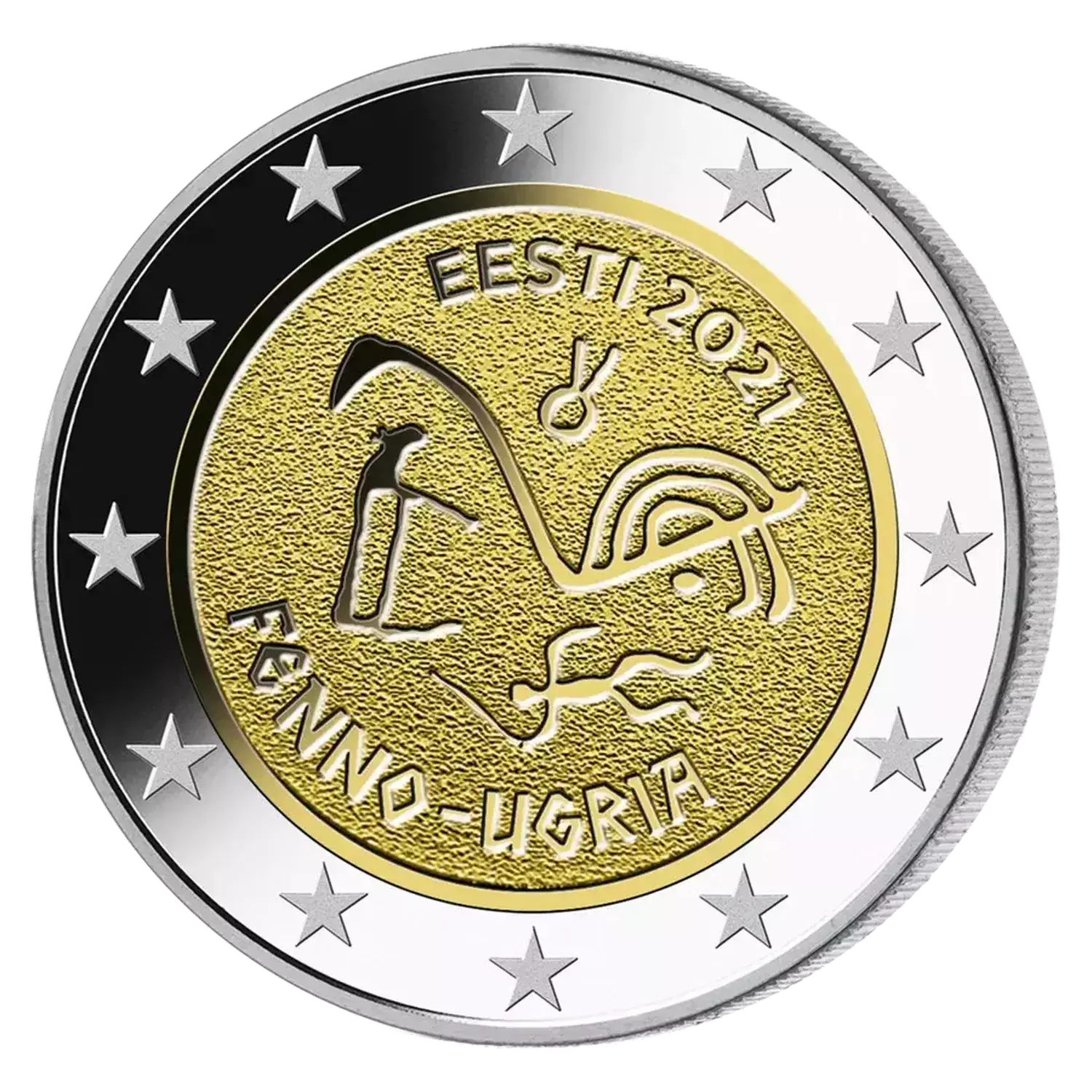
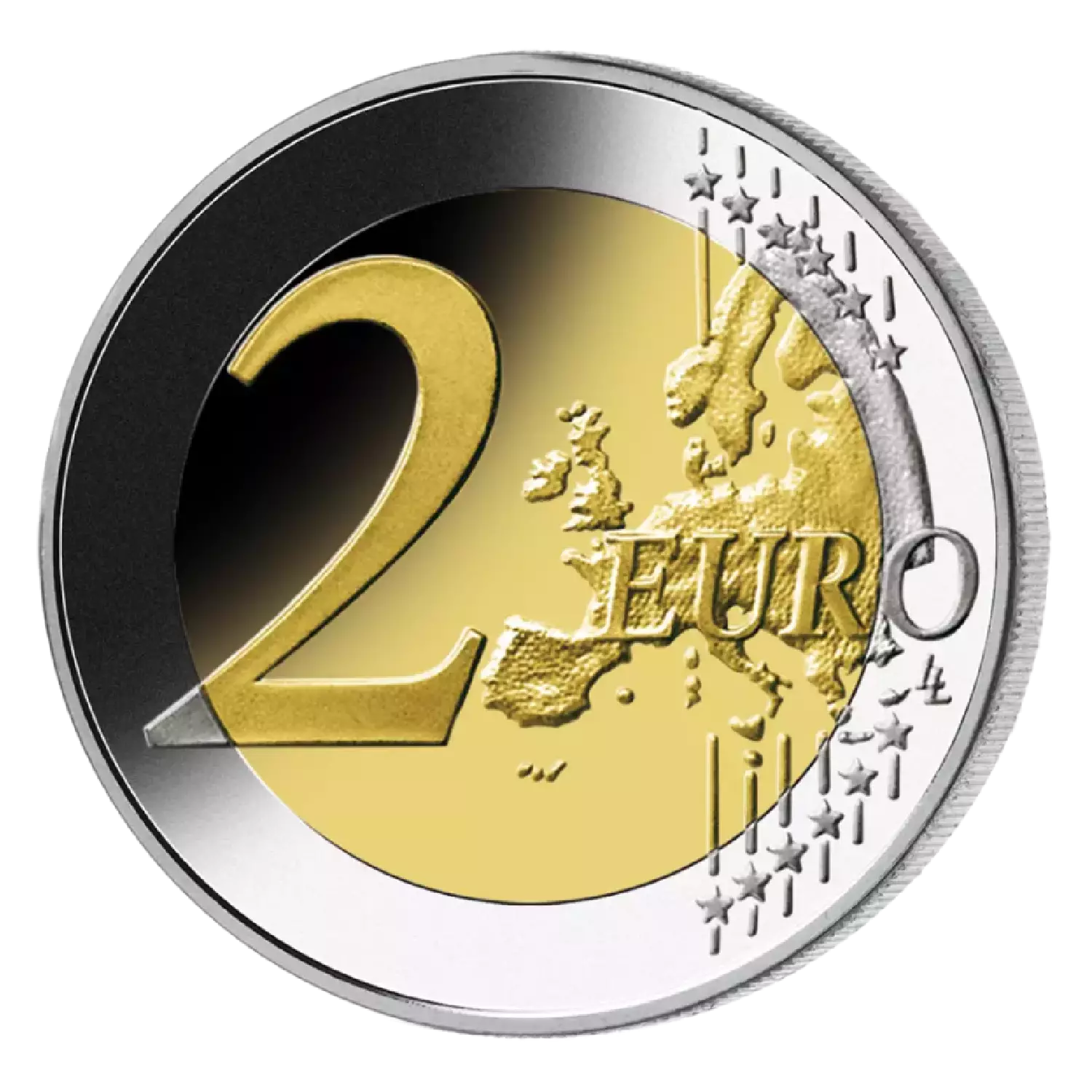
2 euro commemorative coin of the Republic of Estonia, issued in 2021 in a circulation of 1,000,000 copies. Dedicated to the Finno-Ugric peoples. The authors of the design are Alo Paldrok and Madis Pildsaar. Bimetallic, diameter 25.75 mm, weight 8.5 g.
Overse
The national side of the coin depicts a design inspired by the rock paintings of Lake Jaanisjärv (Lake Onega). The symbols of a hunter, moose, waterfowl and sun form a symbolic circle of life of the Finno-Ugric peoples. The central figure is a waterfowl, like those represented in the art and folklore of all Finno-Ugric peoples (considered a "water-faring people"). At the top right, in a semicircle, is the name of the country "EESTI" and the year "2021". At the bottom left is the inscription "FENNOUGRIA". On the outer ring are the 12 stars of the European Union.
Reverse
The reverse is the common side of the 2 euro coins of the second type, designed by Luc Luix. It depicts a map of Europe as a single continent without internal borders. On the left is a large denomination "2" and the inscription "EURO", on the right is a map. On the outer ring are the 12 stars of the European Union. The band is with fine ribbing and a national inscription.
Historical context
The Finno-Ugric peoples are a large linguistic and cultural-historical community of peoples who speak the languages of the Finno-Ugric branch of the Uralic language family. They include: Estonians (1.1 million), Finns (5 million), Hungarians (13 million) - three peoples that have their own states; Karelians, Vods, Vepsians, Izhora, Livs, Setos, Sami in the eastern Baltic; Mordovians (Erzya and Moksha), Mari, Udmurts, Komi-Zyryans, Komi-Permyaks in the Volga-Ural region; Khanty and Mansi in Siberia. In total, there are about 23 million speakers of Finno-Ugric languages in the world. The peoples are united by a common linguistic origin (about 6,000 years ago) and a number of cultural features - respect for nature, water-faring motifs in myths, similar folklore. The rock paintings of Lake Jaanisjärv (Onega) are one of the most important cultural monuments of the Finno-Ugric peoples, dating back to the 4th-3rd millennium BC. Estonia, Finland and Hungary actively support the interaction of Finno-Ugric peoples through joint cultural programs and World Congresses.