
Shopping Cart
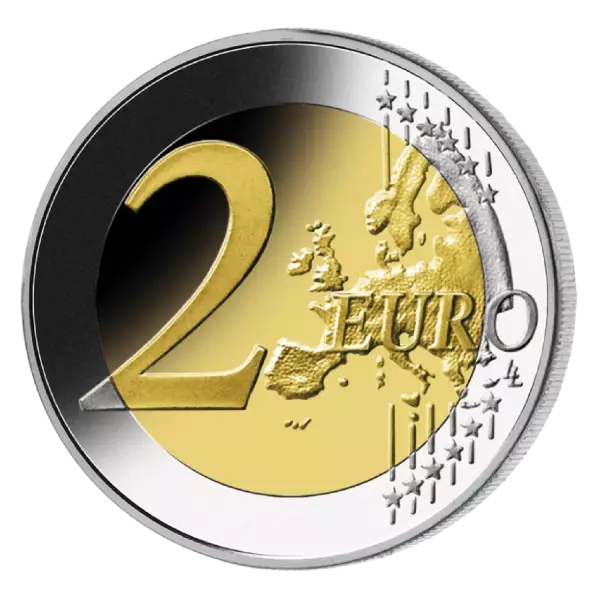

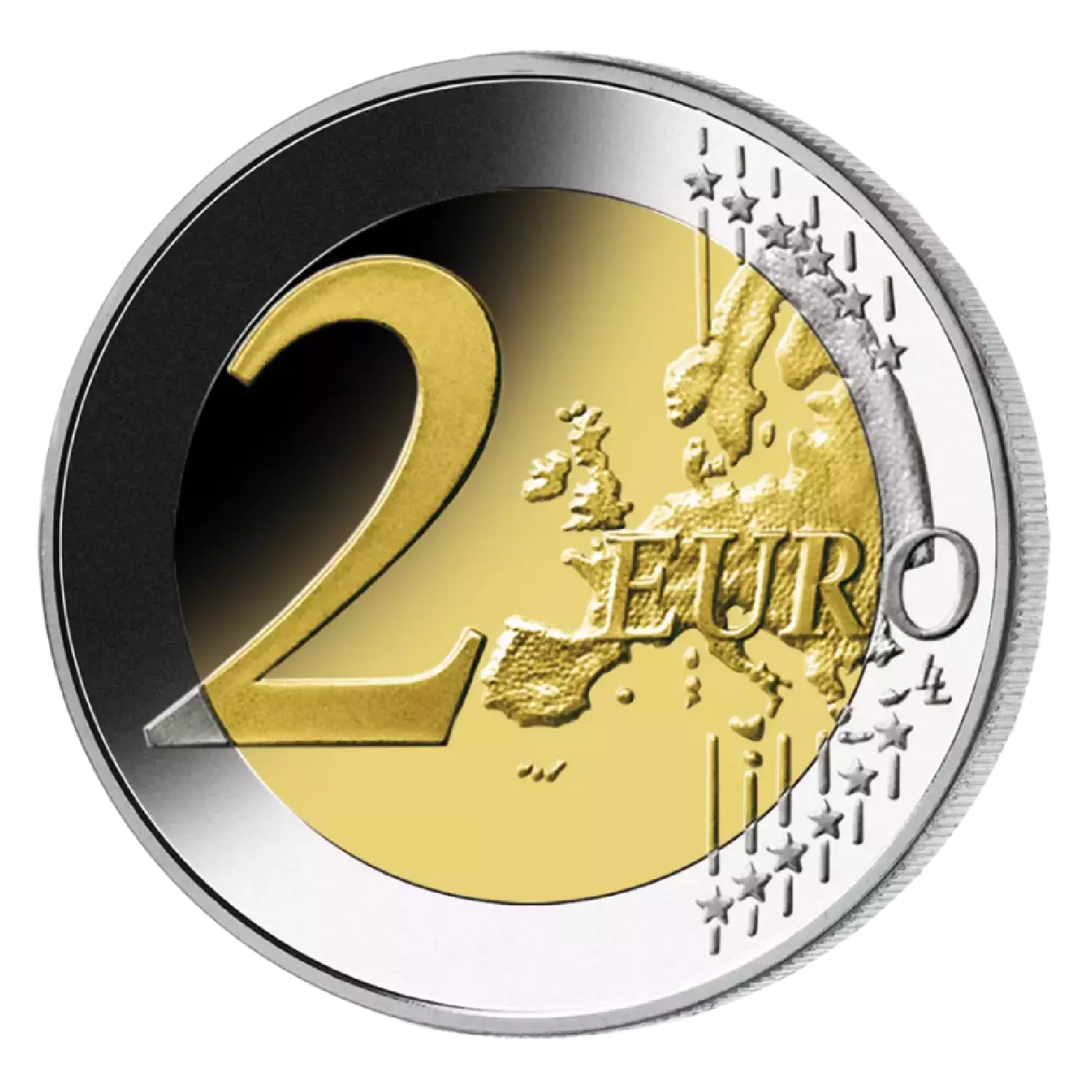
A common commemorative 2 euro coin issued by Greece in 2012 as part of a pan-European issue to mark the 10th anniversary of the introduction of euro coins and banknotes. All 17 eurozone countries issued this coin with an identical design. The winner of the competition was chosen by online voting among European citizens - the author of the design, Helmut Andexinger (Austria). The circulation of the Greek version is 1,000,000 copies. Bimetallic, diameter 25.75 mm, weight 8.5 g.
Obverse
The center depicts the euro symbol "€", around which is a stylized depiction of the world - with land transport (ship, plane), industry (factory), energy (windmills) and people (family). This composition symbolizes how the euro has become an integral part of everyday life over the 10 years of circulation. Around it is an inscription in Greek: "10 ΧΡΟΝΙΑ ΕΥΡΩ" (10 years of the euro), as well as "ΕΛΛΗΝΙΚΗ ΔΗΜΟΚΡΑΤΙΑ 2002-2012". The mint mark is a Greek palmette. On the outer ring are the 12 stars of the EU.
Reverse
The reverse is the common side of the 2 euro coins of the second type, designed by Luc Luix. It depicts a map of Europe as a single continent without internal borders. On the left is a large denomination "2" and the inscription "EURO", on the right is a map. On the outer ring are the 12 stars of the EU. The band is finely grooved and inscribed.
Historical context
January 1, 2002, was a historic day in the fiscal history of Europe: in 12 eurozone member states, euro banknotes and coins began to circulate, replacing national currencies (mark, franc, lira, drachma, etc.). It was the largest currency operation in human history - the ECB and national central banks prepared 15 billion banknotes and 52 billion coins with a total value of about 660 billion euros. The exchange campaign lasted from January to February (in some countries - longer), after which national currencies ceased to be legal tender. The introduction of the euro was the final phase of the long process of Economic and Monetary Union, which began with the Maastricht Treaty in 1992. Greece joined the cash euro along with 11 other countries. As of 2012, the euro was used by about 330 million Europeans in 17 countries.