
Shopping Cart
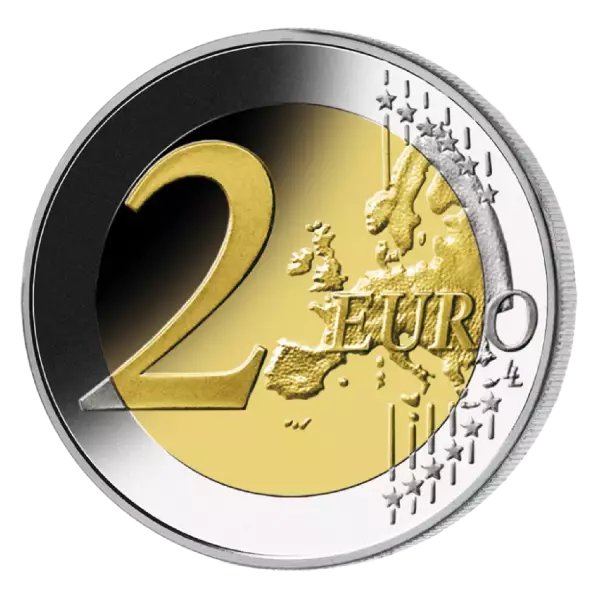

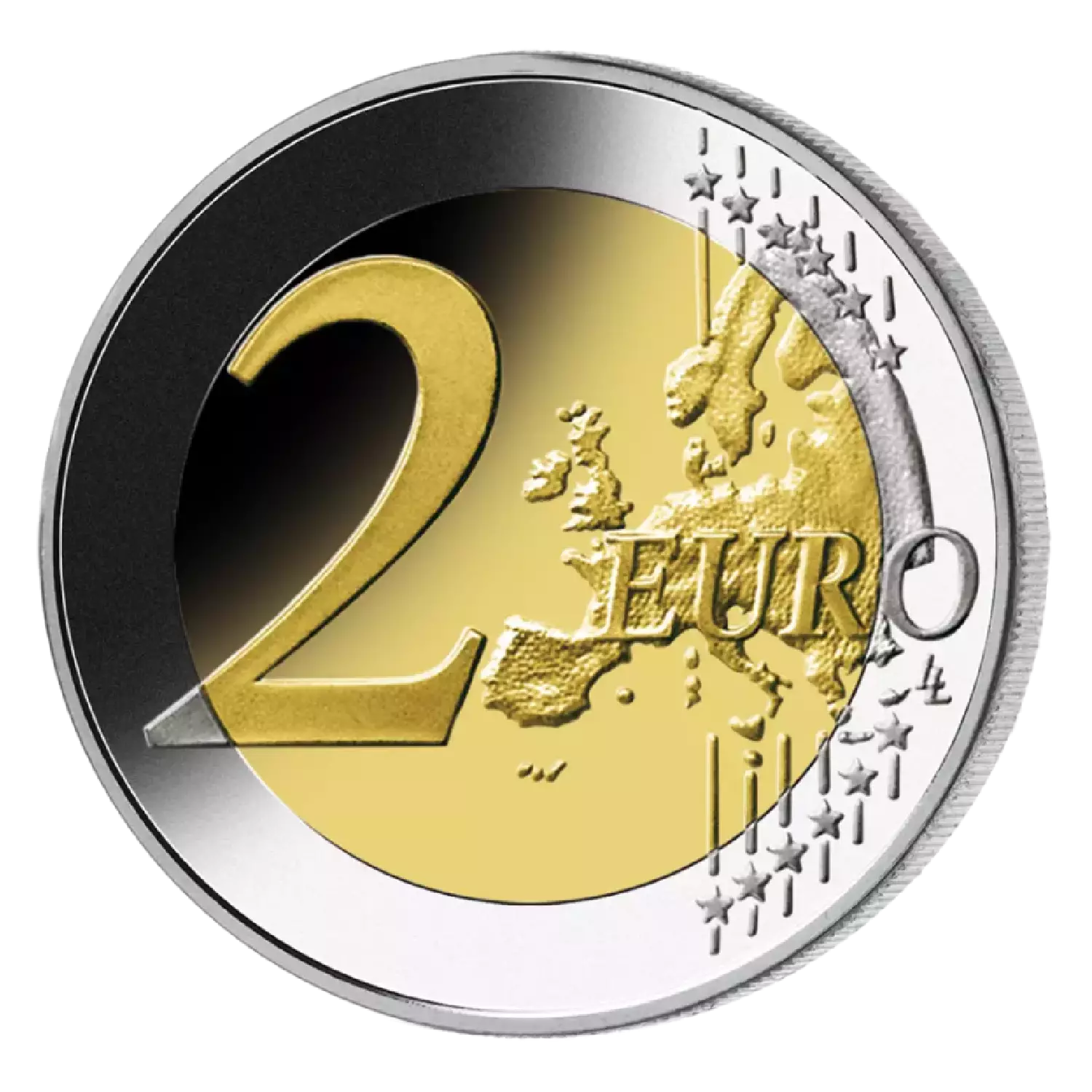
A 2 euro commemorative coin of the Hellenic Republic, issued in 2017 in a circulation of 750,000 copies. Dedicated to the archaeological site of Philippi. The author of the design is Georgios Stamatopoulos. Bimetallic, diameter 25.75 mm, weight 8.5 g.
Obverse
The center of the coin depicts the ancient theater of the city of Philippi - one of the best-preserved ancient theaters in Greece from the 4th century BC, located on the slope of the acropolis. Around, in a circle, are the inscriptions in Greek: "ΑΡΧΑΙΟΛΟΓΙΚΟΣ ΧΩΡΟΣ ΦΙΛΙΠΠΩΝ" (Archaeological site of Philippi) and "ΕΛΛΗΝΙΚΗ ΔΗΜΟΚΡΑΤΙΑ 2017". The mint mark is a Greek palmette. The author's initials are "ΣΤΑΜ". On the outer ring - the 12 stars of the European Union.
Reverse
The reverse is the common side of the 2 euro coins of the second type, designed by Luc Luix. It depicts a map of Europe as a single continent without internal borders. On the left - a large denomination "2" and the inscription "EURO", on the right - a map. On the outer ring - the 12 stars of the EU.
Historical context
Philippi is an ancient city in East Macedonia (Greece), one of the most important archaeological sites in Greece, inscribed on the UNESCO World Heritage List on July 15, 2016. Founded in 356 BC by King Philip II of Macedonia (father of Alexander the Great) on the site of the Thracian settlement of Crinides. Philippi became famous for the gold mines in Mount Pangaion. In 42 BC, the decisive Battle of Philippi took place here between the troops of Octavian-Antony and the republicans Brutus-Cassius, which determined the fate of the Roman Republic. Around 50 AD, the Apostle Paul founded the first Christian community in Europe here, baptizing Lydia, the first European Christian. The Epistle of Paul to the Philippians is one of the New Testament books. In Philippi, the ruins of the ancient theater, the Roman forum, Byzantine basilicas of the 5th-6th centuries, an octagonal church, the original prison of the Apostle Paul, and the Via Egnatia have been preserved.