
Shopping Cart
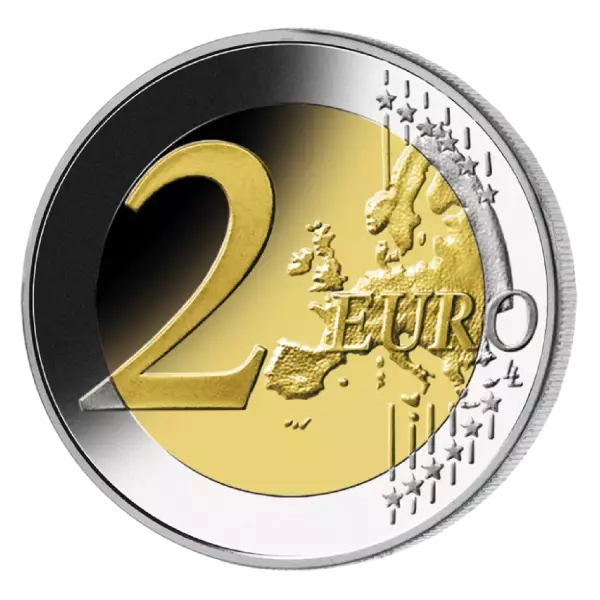

A 2 euro commemorative coin of the Hellenic Republic, issued in 2018 in a circulation of 750,000 copies. Dedicated to the 70th anniversary of the unification of the Dodecanese with Greece. The author of the design is Georgios Stamatopoulos. Bimetallic, diameter 25.75 mm, weight 8.5 g.
Overse
The center of the coin presents a stylized composition of architectural elements of the Dodecanese islands, which are associated with a ship's sail - a symbol of the maritime culture of the Greek archipelago. At the bottom - the waves of the Aegean Sea. Around, in a circle, there is a Greek inscription: "70 ΧΡΟΝΙΑ ΑΠΟ ΤΗΝ ΕΝΩΣΗ ΤΗΣ ΔΩΔΕΚΑΝΗΣΟΥ ΜΕ ΤΗΝ ΕΛΛΑΔ" (70 years since the unification of the Dodecanese with Greece) and "ΕΛΛΗΝΙΚΗ ΔΗΜΟΚΡΑΤΙΑ 2018". Mintmark - Greek palmette. Initials of the author "ΣΤΑΜ". On the outer ring - 12 stars of the European Union.
Reverse
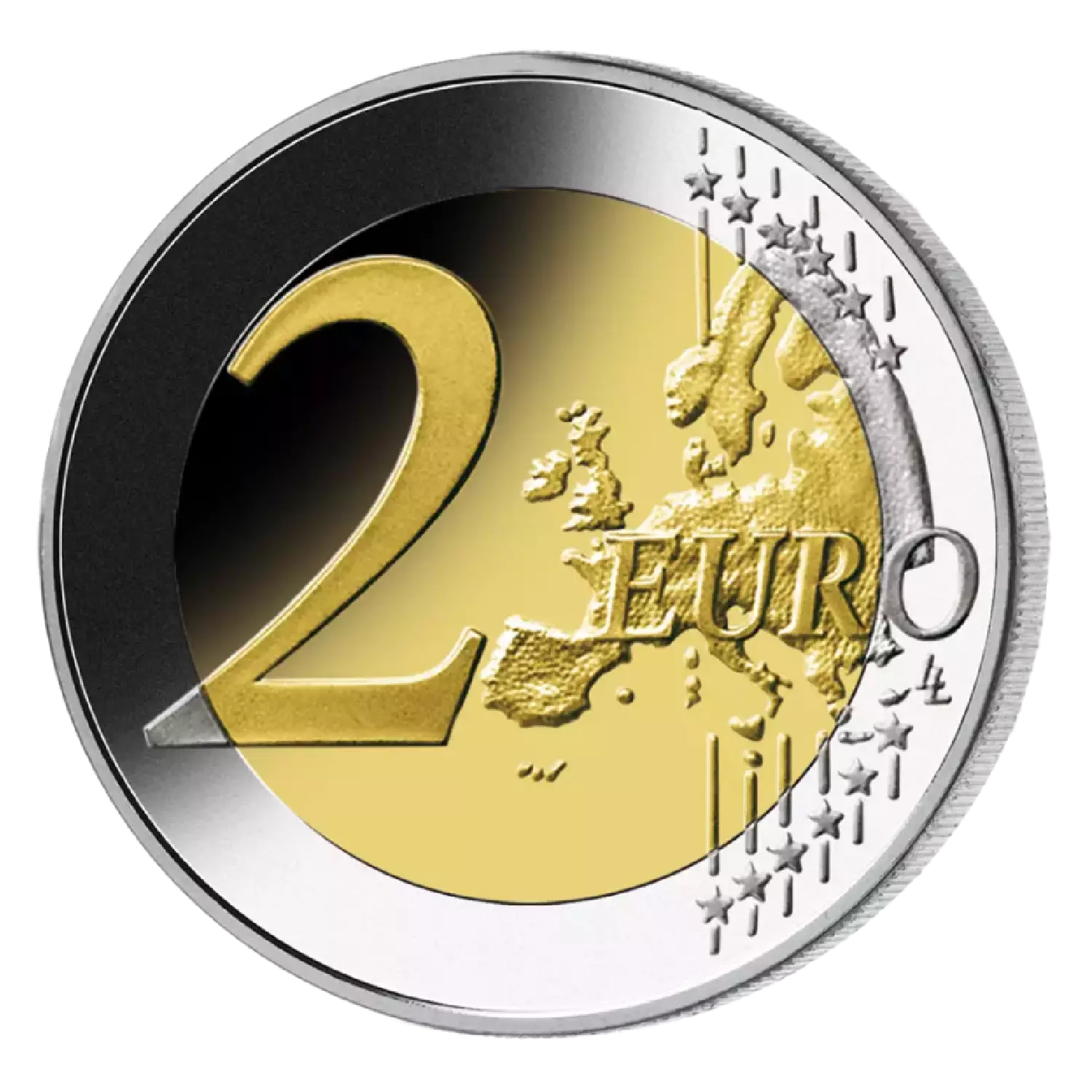
Reverse - the common side of the 2 euro coins of the second type, designed by Luc Luix. It depicts a map of Europe as a single continent without internal borders. On the left - a large denomination "2" and the inscription "EURO", on the right - a map. On the outer ring - 12 stars of the EU.
Historical context
Dodecanese (Δωδεκάνησα - "12 islands") - a group of 15 large and 150 small islands in the southeastern part of the Aegean Sea, including Rhodes, Kos, Patmos, Kalymnos, Karpathos, Leros, Symi and others. Although the islands have had a Greek population for millennia, they have undergone a long history of foreign rule: the Byzantine Empire, the Crusaders, the Knights Hospitaller (1309–1522), the Ottoman Empire (1522–1912), the Kingdom of Italy (1912–1943) — Italy occupied the islands during the Tripolitanian War and colonized them. During World War II, the Dodecanese came under Nazi occupation (1943–1945) after the Italian surrender. After the war, the 1947 Paris Peace Treaty transferred the Dodecanese to Greece. The official unification took place on 7 March 1948, when the Greek government, under the presidency of Themistocles Sophoulis, formally accepted the islands. This was the final expansion of Greek borders to their present state.