
Shopping Cart
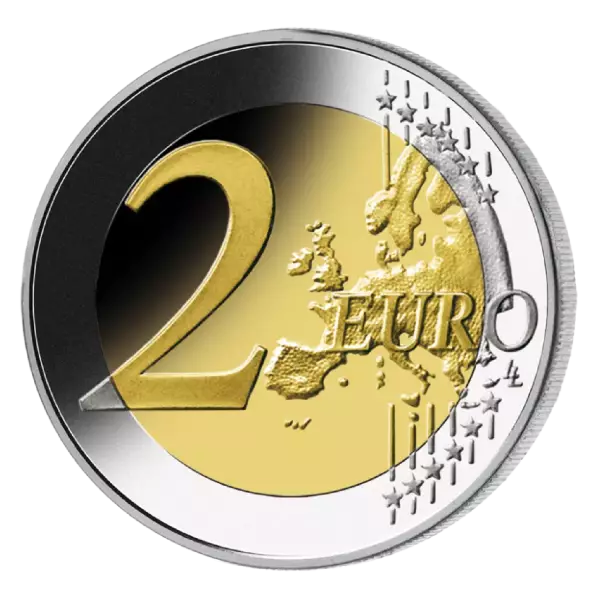

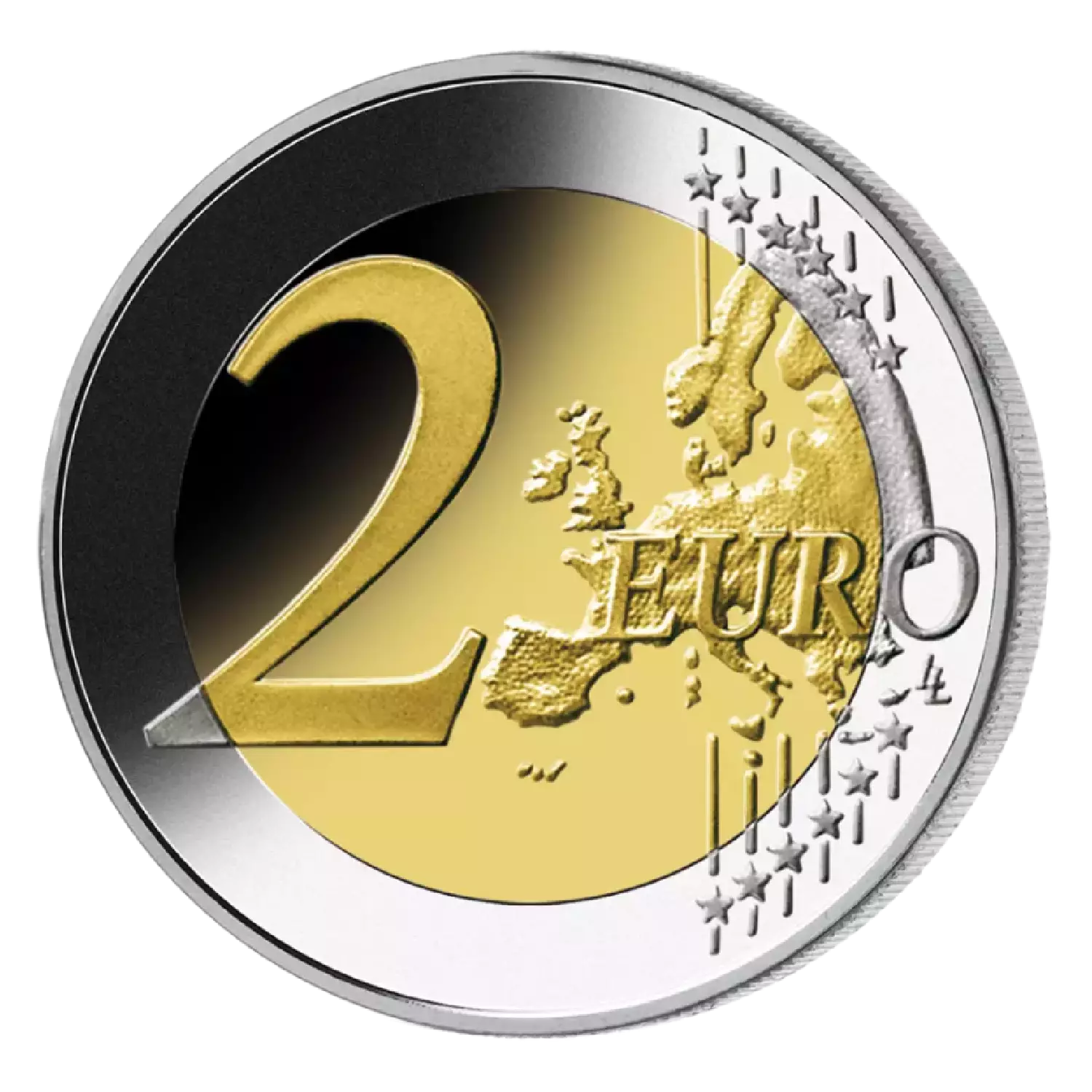
2 euro commemorative coin of the Hellenic Republic, issued in 2020 with a circulation of 743,000 copies. Dedicated to the 100th anniversary of the unification of Thrace with Greece. The author of the design is Georgios Stamatopoulos. Bimetallic, diameter 25.75 mm, weight 8.5 g.
Obverse
The center of the coin depicts a stylized winged griffin (a mythical creature with the body of a lion, the head of an eagle and wings) - a symbol of ancient Thrace, inspired by images from ancient coins of this region. Below the figure is an uneven shape, typical of ancient Thracian coins. In the upper part, in a circle, there is the inscription "100 ΧΡΟΝΙΑ ΑΠΟ ΤΗΝ ΕΝΣΩΜΑΤΩΣΗ ΤΗΣ ΘΡΑΚΗΣ" (100 years since the unification of Thrace) with the mark of the Athens Mint. At the bottom — "ΕΛΛΗΝΙΚΗ ΔΗΜΟΚΡΑΤΙΑ 2020". The author's initials "ΣΤΑΜ". On the outer ring — 12 stars of the European Union.
Reverse
The reverse is the common side of the 2 euro coins of the second type, designed by Luc Luix. It depicts a map of Europe as a single continent without internal borders. On the left — a large denomination "2" and the inscription "EURO", on the right — a map. The outer ring has 12 EU stars.
Historical context
Thrace is a historical region in the southeast of the Balkan Peninsula, currently divided between Bulgaria, Greece and Turkey. Greek (Western) Thrace (the nomes of Evros, Rhodopes, Xanthi) was annexed to the Kingdom of Greece after World War I. The Treaty of Sèvres of 10 August 1920 transferred Western Thrace (previously belonging to the Ottoman Empire, and since 1913 to Bulgaria) to Greece. The official accession took place on 14 May 1920, when the Greek army entered Xanthi. Reunification took place under the administration of Eleftherios Venizelos, whose government achieved significant diplomatic successes at the Paris Peace Conference. Thrace has a rich history since ancient times - it was home to ancient Thracian tribes (Odrissines, Bessians), who gave Greece king Spartacus (6th century BC), the mythical Orpheus and Greek heroes. Modern Greek Thrace is known for its unique culture, Muslim minority (mainly Turks, Pomaks, Roma) and rich nature (Nestos swamp, Evros delta).