
Shopping Cart
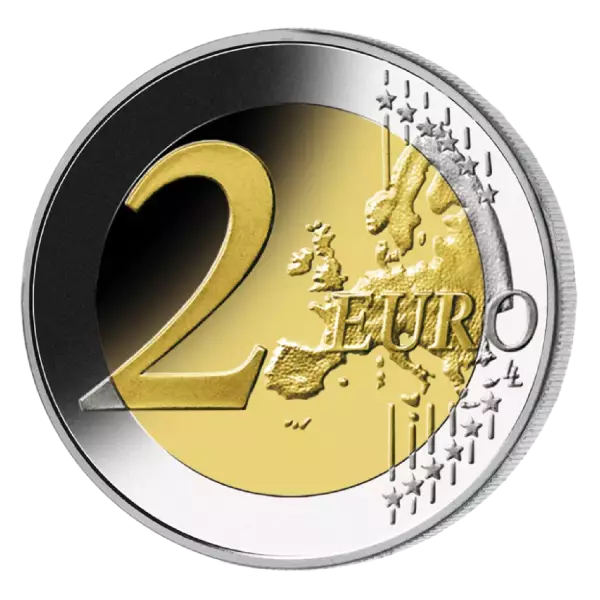


A 2 euro commemorative coin of the Hellenic Republic, issued in 2024 with a circulation of 735,000 copies. Dedicated to the 50th anniversary of the restoration of democracy. The author of the design is Georgios Stamatopoulos. Bimetallic, diameter 25.75 mm, weight 8.5 g.
Overse
In the center of the coin is a dove of peace carrying an olive branch - a symbol of the restoration of freedom and peace after the years of dictatorship. Next to it is a torch with fire - a classic symbol of freedom and democracy. Around, in a circle, there is a Greek inscription: "50 ΧΡΟΝΙΑ ΑΠΟ ΤΗΝ ΑΠΟΚΑΤΑΣΤΑΣΗ ΤΗΣ ΔΗΜΟΚΡΑΤΙΑΣ" (50 years since the restoration of democracy), as well as the years "1974-2024" and "ΕΛΛΗΝΙΚΗ ΔΗΜΟΚΡΑΤΙΑ". The Athens Mint mark (anthemion). The author's monogram "ΣΤΑΜ". On the outer ring - 12 stars of the European Union.
Reverse
The reverse is the common side of the 2 euro coins of the second type, designed by Luc Luix. It depicts a map of Europe as a single continent without internal borders. On the left - a large denomination "2" and the inscription "EURO", on the right - a map. On the outer ring - 12 stars of the EU.
Historical context
The Metapolitevsi (Μεταπολίτευση - "regime change") is a period in the history of Greece that began on July 24, 1974 with the fall of the military dictatorship of the "colonel regime" (Juntas 1967-1974) and the restoration of democratic rule. Since 21 April 1967, Greece has been ruled by a military junta led by Georgios Papadopoulos, which seized power under the pretext of preventing the "communist threat". The junta is known for the persecution of political opponents (torture, imprisonment, emigration), the restriction of human rights and the abolition of the monarchy in 1973. The fall of the regime is associated with the junta's failed attempt to annex Cyprus in July 1974, which led to the Turkish military invasion of Cyprus. On 24 July 1974, Konstantinos Karamanlis, who had been living in exile in Paris, returned to Athens as Prime Minister and began the process of transitional government to democracy. On 17 November 1974 - the first free elections, on 8 December 1974 - a referendum on the rejection of the monarchy and the proclamation of a republic. On June 11, 1975, a new democratic Constitution was adopted.