
Shopping Cart
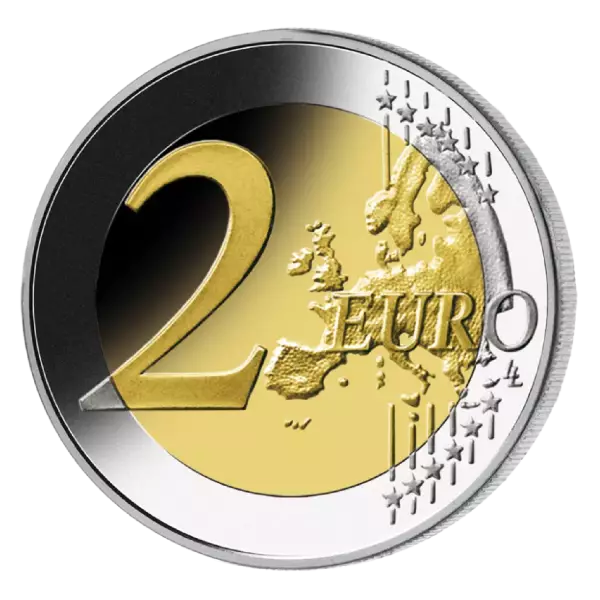

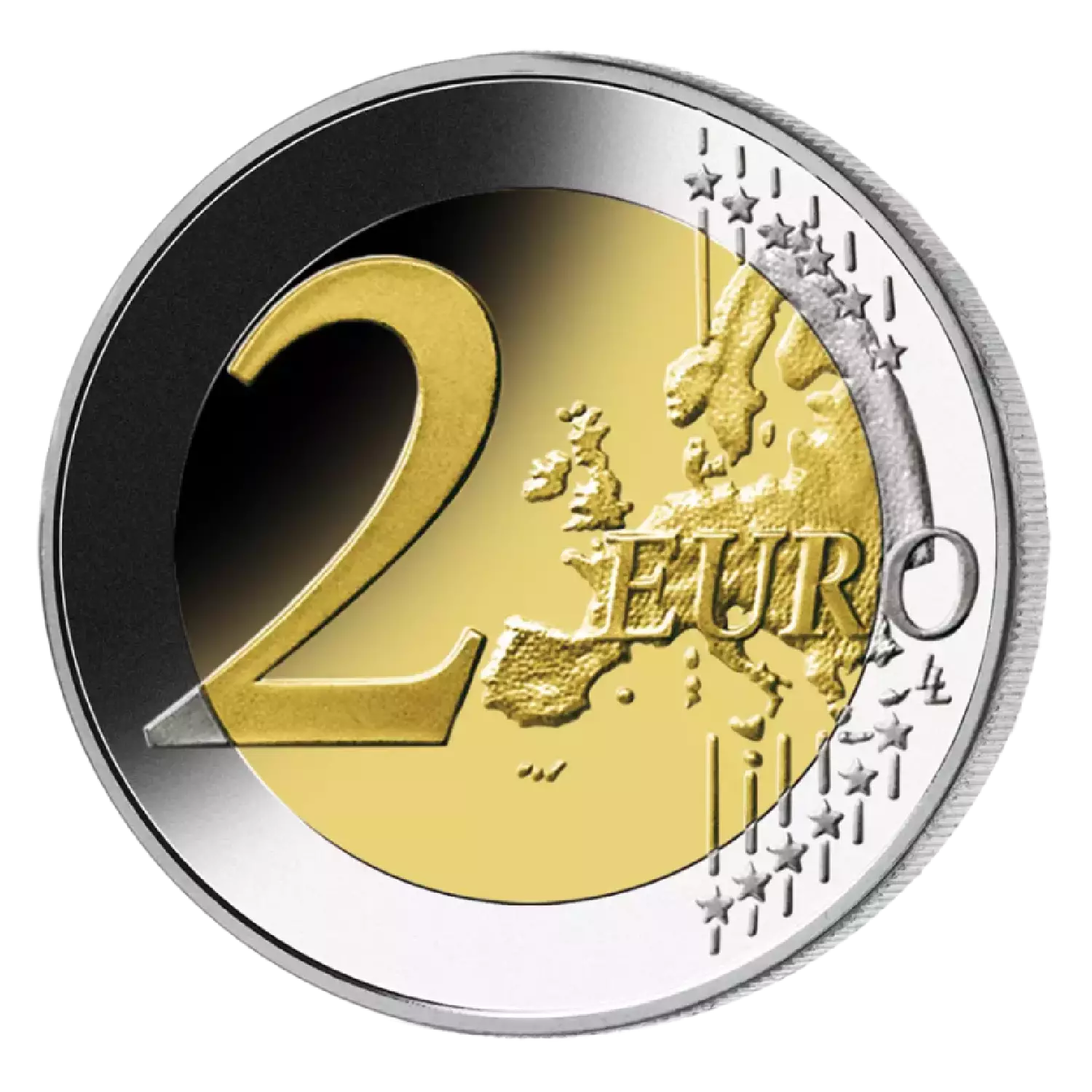
The 2 euro commemorative coin of Ireland, issued in 2016 in a circulation of 4,500,000 copies, is the first commemorative coin of Ireland. Dedicated to the 100th anniversary of the Easter Rising. Bimetallic, diameter 25.75 mm, weight 8.5 g. Minted at the Irish Mint in Dublin.
Overse
The center of the coin depicts the statue of "Hibernia" (the Latin name for Ireland) - a female figure representing Ireland. This statue, created by sculptor John Smith, is located on the roof of the General Post Office (GPO) on O'Connell Street in Dublin - the building that became the headquarters of the rebels in 1916. Hibernia holds a shield with a harp. Around the inscription: "ÉIRÍ AMACH NA CÁSCA" (Easter Rising), "ÉIRE 1916-2016". On the outer ring - 12 stars of the European Union.
Reverse
The reverse is the common side of the 2 euro coins of the second type, designed by Luc Luix. It depicts a map of Europe as a single continent without internal borders. On the left - a large denomination "2" and the inscription "EURO", on the right - a map. On the outer ring - 12 stars of the European Union. The edge - with fine ribbing and a national inscription.
Historical context
The Easter Rising (Éirí Amach na Cásca) was an armed uprising of Irish republicans against British rule in Ireland, which lasted from 24 to 29 April 1916. Led by Sean Mac Diarmaid, Padraic Pearce, James Connolly and other leaders of the Irish Republican Brotherhood (IRB) and the Irish Citizen Army, the uprising began on Good Monday, 24 April. Approximately 1,600 rebels seized key buildings in Dublin, including the General Post Office, which became their headquarters. Padraic Pearce read the Proclamation of the Irish Republic on the steps of the GPO. British troops crushed the uprising after six days of fighting. The leaders of the uprising (15 people, including Connolly, who was wounded) were shot in Kilmainham Gaol in May 1916. Despite the military defeat, the brutality of the British response turned Irish public opinion in favour of independence. The uprising paved the way for the War of Independence of 1919–1921 and the formation of the Irish Free State in 1922.