
Shopping Cart
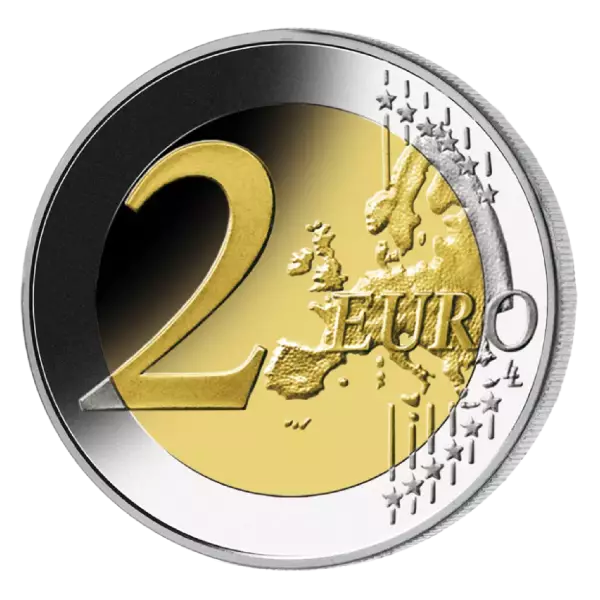

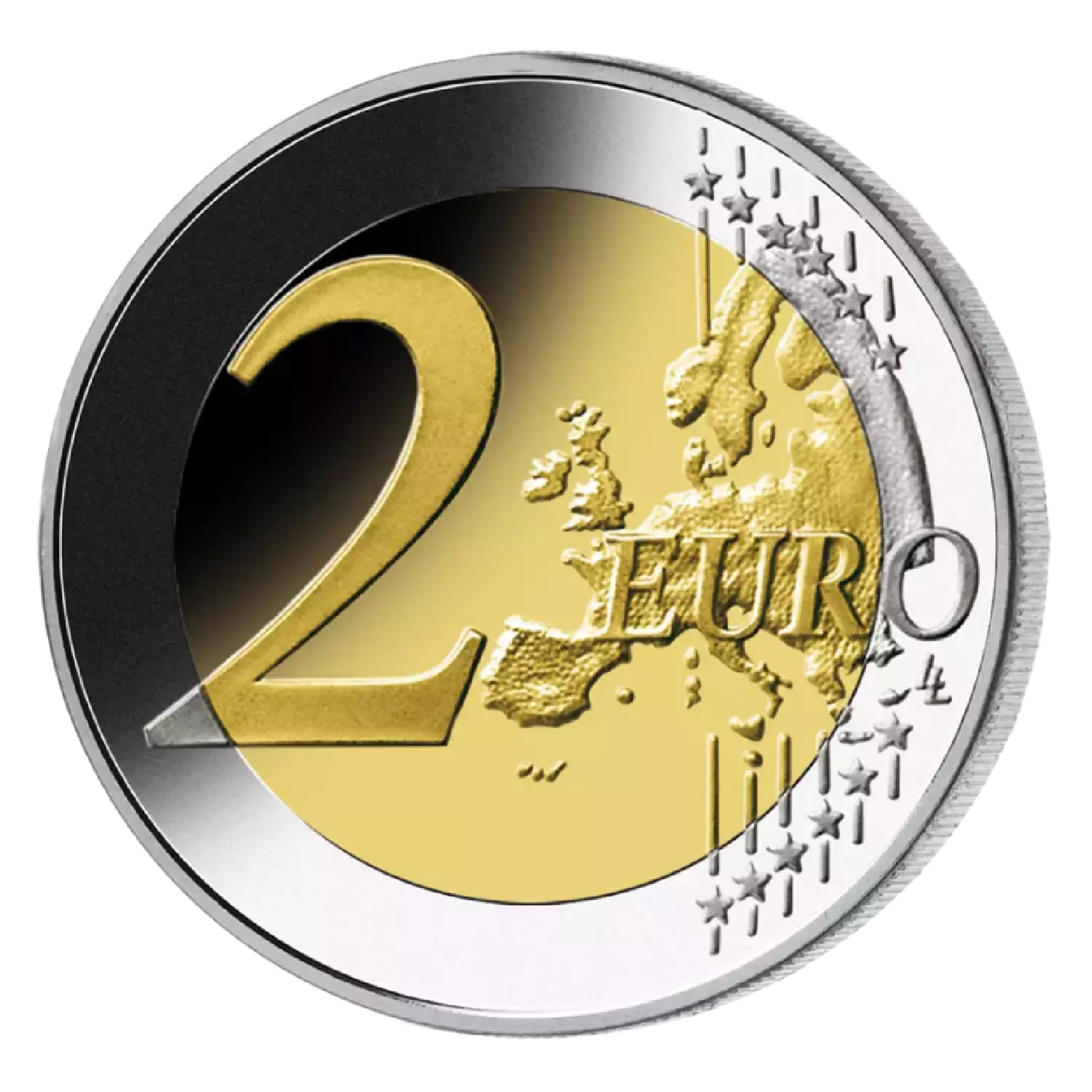
The 2 euro commemorative coin of the Kingdom of Spain, issued on March 3, 2010 in a circulation of 8,000,000 copies, is the first coin in the series "UNESCO World Heritage Sites in Spain". Bimetallic, diameter 25.75 mm, weight 8.5 g. Minted at the FNMT.
Obverse
The center of the coin depicts the interior of the Mosque-Cathedral of Cordoba (Mezquita-Catedral de Córdoba) - one of the most iconic architectural monuments of Spain with characteristic repeating red and white arches and columns. Around, in a circle, are the inscription "ESPAÑA" (Spain) and the year "2010". On the left is the crown M (mark of the Madrid Mint). On the outer ring - 12 stars of the European Union.
Reverse
The reverse is the common side of the 2 euro coins of the second type, designed by Luc Luix. It depicts a map of Europe as a single continent without internal borders. On the left - a large denomination "2" and the inscription "EURO", on the right - a map. On the outer ring - 12 stars of the European Union. The band - with fine ribbing and national inscription.
Historical context
The historic center of Cordoba is a UNESCO World Heritage Site, listed in 1984, expanded in 1994. The city of Cordoba in Andalusia was founded by the Romans in the 2nd century BC, becoming the capital of the province of Baetica. After the Muslim conquest (711), Córdoba became the capital of the Wayyad Emir of the Córdoba Caliphate (929–1031), one of the most developed cities of the medieval world, with a population of about 500,000. The main attraction is the Great Mosque of Córdoba (Mezquita), founded in 784 by Emir Abd al-Rahman I on the site of a Visigothic church. Outstanding in style and grandeur, its interior has 856 columns of marble, jasper, and granite supporting the famous two-tiered arches in a red and white stripe. After the Reconquista of 1236, when Ferdinand III of Castile conquered Córdoba, the mosque became a Catholic cathedral. In the 16th century, a Renaissance choir and altar were built in the center of the mosque. This historic center is a unique blend of Spanish, Moorish, and Catholic architectural traditions.