
Shopping Cart
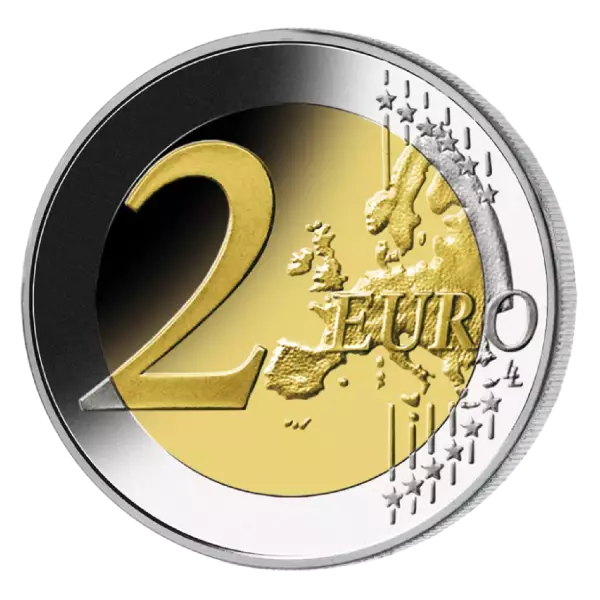

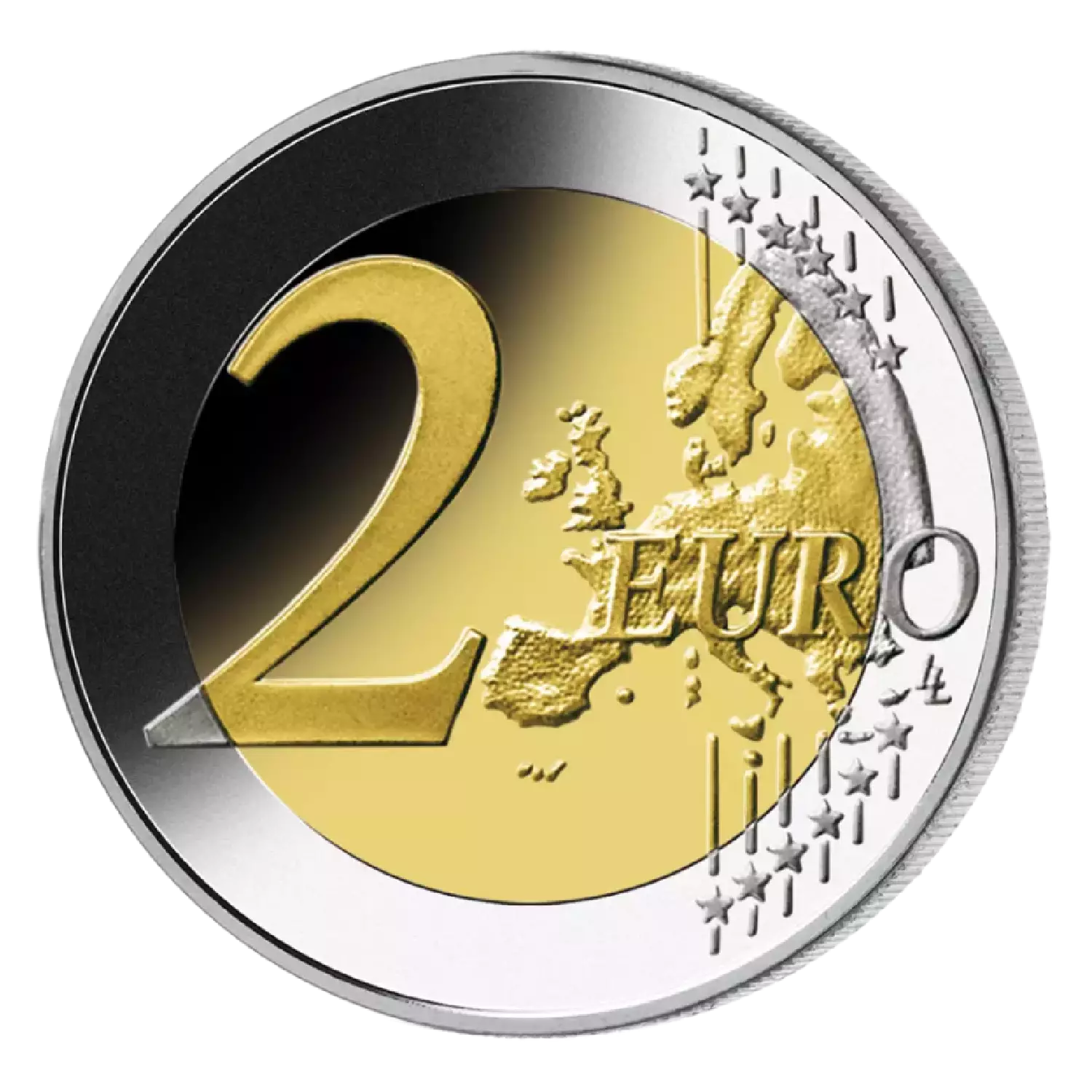
The 2 euro commemorative coin of Spain, issued in 2020 in a circulation of 1,500,000 copies, is the eleventh in the "Patrimonio de la Humanidad de la UNESCO" series. Dedicated to the Mudejar architecture of Aragon. It was minted at the Madrid Mint. Bimetallic, diameter 25.75 mm, weight 8.5 g.
Obverse
The national side depicts a frontal view of the tower of the church of San Salvador in the city of Teruel (Torre de El Salvador de Teruel) - a characteristic square stone and brick tower in the Mudejar style of the 14th century, decorated with geometric ornaments and ceramics. On the left, vertically, in capital letters, is the inscription "ESPAÑA". Above, in an arc, is the inscription "ARQUITECTURA MUDÉJAR DE ARAGÓN" (Mudejar architecture of Aragon). On the right is the Madrid mint mark - the letter "M" crowned with a crown, below - the year "2020". On the outer ring - 12 five-pointed stars of the EU.
Reverse
The reverse is the common side of the 2 euro coins of the second type, designed by Luc Luix (Royal Belgian Mint). It depicts a map of Europe as a single continent without internal borders - a symbol of European unity. On the left - a large denomination "2" and the inscription "EURO", on the right - a map with six thin horizontal lines in the background. On the outer ring - 12 stars of the European Union. The band is with fine ribbing and the inscription "2 ★", repeated six times alternately upright and inverted.
Historical context
The Mudejar architecture of Aragon (Arquitectura mudéjar de Aragón) is an aesthetic movement in the Mudejar style, formed in Aragon (Spain) in the 12th-17th centuries. Mudejar is a syncretic architectural style that arose as a result of the coexistence of the Muslim and Christian population after the Reconquista: after the Christians returned the territory to the Muslims (12th century), the latter remained to live and work as master craftsmen (Mudejars). The style combines Islamic ornamental techniques (geometric and floral patterns of brick, tiles and ceramic tiles, muqarnas technique and laurel coffered ceilings) with Gothic and Romanesque construction. Characteristic materials are brick and glazed ceramics. There are over 100 monuments in Aragon, most of them in the Ebro, Jalón and Jilloca valleys. UNESCO sites (1986, extended 2001) include the towers and churches of Teruel (San Salvador, San Martín, San Pedro, cathedral), the Mudejar core of Zaragoza, Calatayud and others.