
Shopping Cart
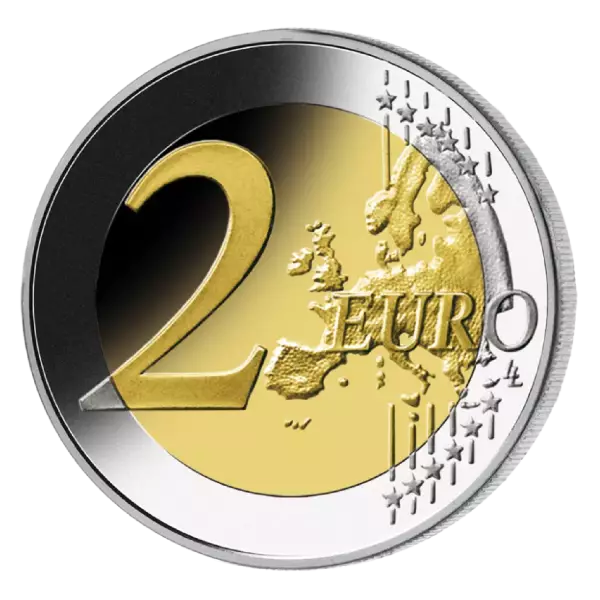

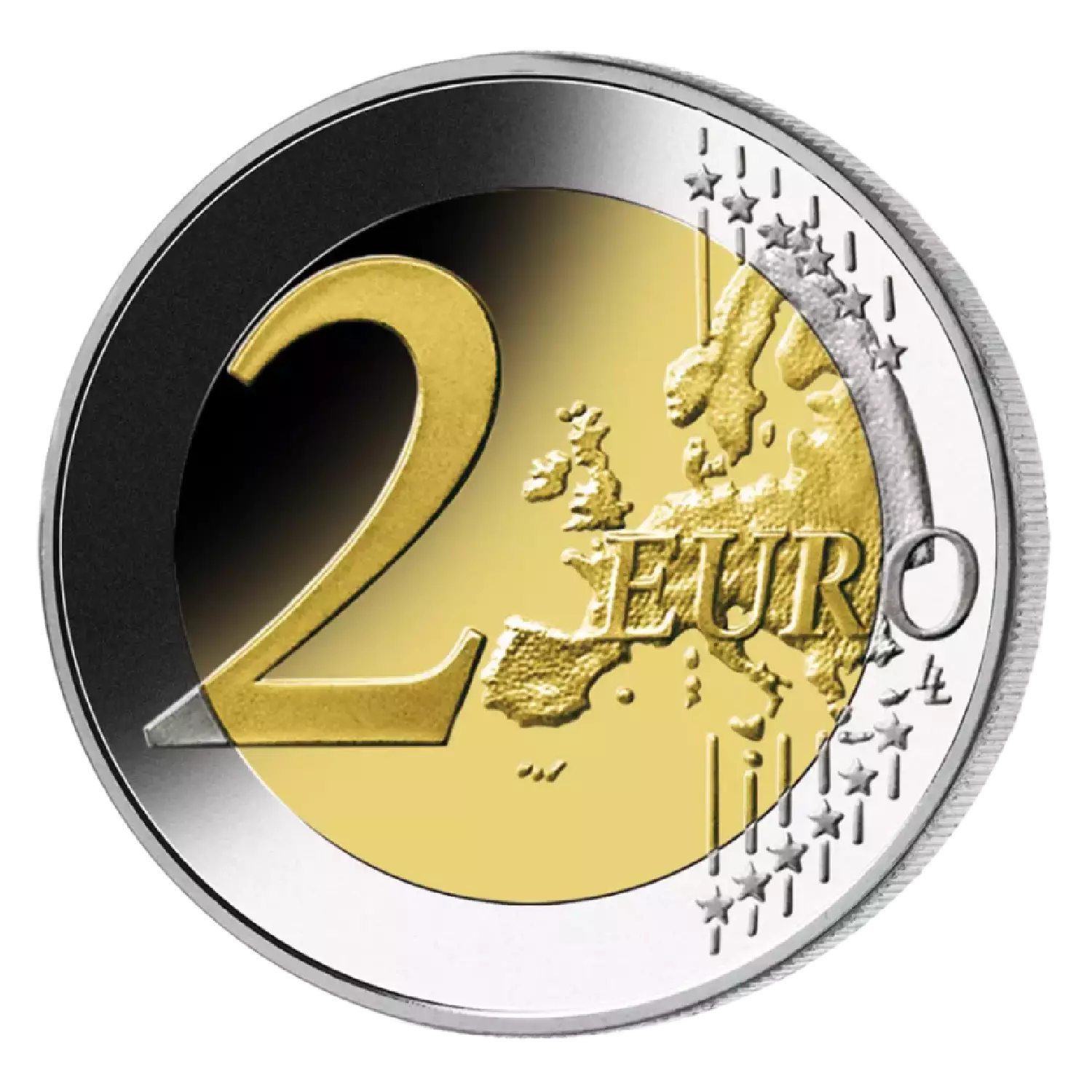
The 2 euro commemorative coin of Spain, issued in 2023 in a circulation of 1,500,000 copies, is the fourteenth in the "Patrimonio de la Humanidad de la UNESCO" series. Dedicated to the Old City of Cáceres (Ciudad Vieja de Cáceres). It was minted at the Madrid Mint. Bimetallic, diameter 25.75 mm, weight 8.5 g.
Overse
The national side of the coin depicts a characteristic view of the historic center of Cáceres with its famous medieval stone buildings, towers and palaces, which form a unique cityscape. In particular, the tower and architectural elements that are the city's calling card are visible. At the top, in an arc, is the inscription "ESPAÑA", at the bottom - the year "2023". On the right - the mark of the Madrid Mint (the letter "M" crowned with a crown). On the outer ring are the 12 five-pointed stars of the European Union.
Reverse
The reverse is the common side of the 2 euro coins of the second type, designed by Luc Luix (Royal Belgian Mint). It depicts a map of Europe as a single continent without internal borders - a symbol of European unity. On the left - a large denomination "2" and the inscription "EURO", on the right - a map with six thin horizontal lines in the background. On the outer ring are the 12 stars of the European Union. The band - with thin ribbing and the inscription "2 ★", repeated six times alternately upright and inverted.
Historical context
The Old City of Cáceres (Ciudad Vieja de Cáceres) is the historic center of the city of Cáceres, the capital of the province of the same name in Extremadura (Spain). The city was founded by the Romans in 25 BC as Norba Caesarina. After the Arab conquest in the 8th century, it became the Islamic city of Qasr Abu Yahya, from which the modern name comes. It was finally reconquered by Christians in 1229 by King Alfonso IX of León. In the 15th and 16th centuries, Cáceres became one of the richest cities in Spain - many local residents participated in the conquest of the New World and returned with treasures, building Renaissance palaces. The uniqueness of Cáceres is the best preserved ensemble of medieval urban development in Europe with architectural layers of different eras: Roman fortifications, Moorish towers, Gothic churches, Renaissance palaces. The old town has more than 30 towers (some of which were cut down by King Charles I to suppress the power of the nobility). It was included in the UNESCO list on November 26, 1986.