
Shopping Cart
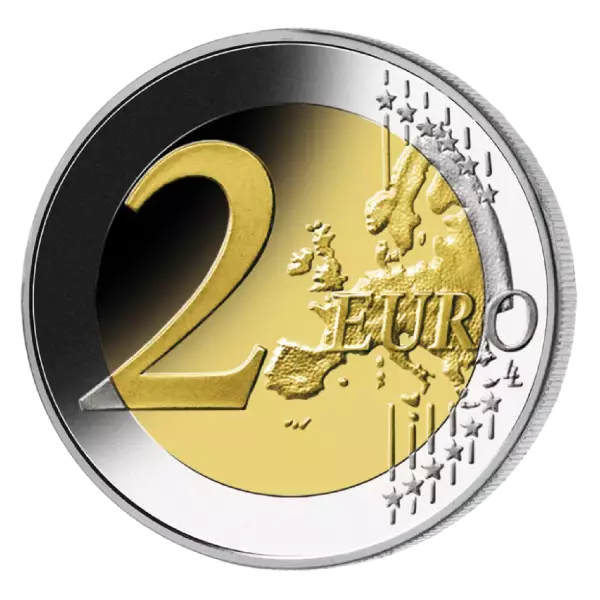

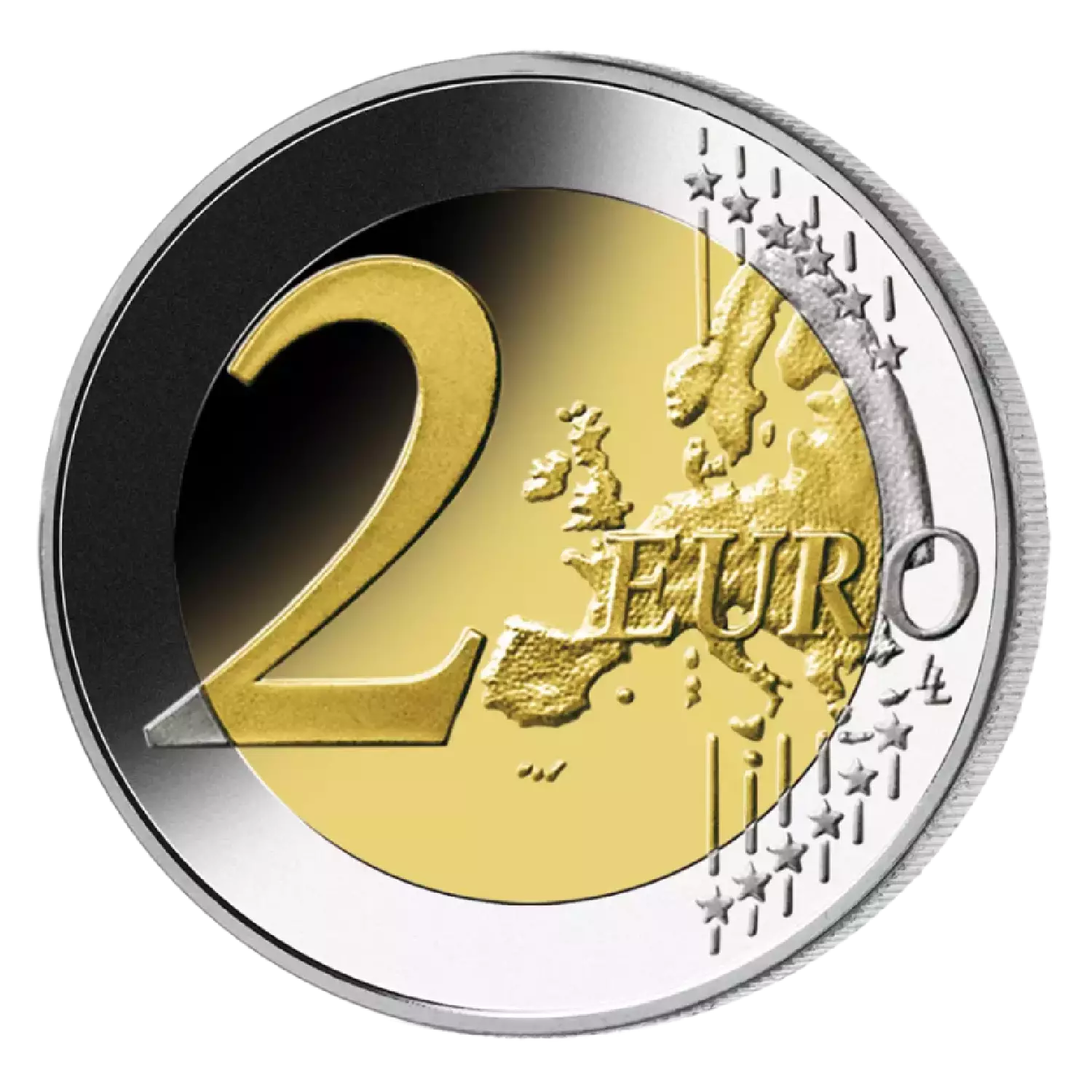
A 2 euro commemorative coin of the Italian Republic, issued in 2017 in a circulation of 3,000,000 copies. Dedicated to the 2000th anniversary of the death of Titus Livia. The author of the design is Annalisa Masini. Bimetallic, diameter 25.75 mm, weight 8.5 g. Minted at the IPZS in Rome.
Obverse
The center of the coin depicts a portrait of Titus Livia, based on one of the ancient busts of the historian. Next to it is the inscription "TITO LIVIO". At the top is the monogram "RI" (Repubblica Italiana). On the right is the mint mark "R" and the initials of the designer "AM". At the bottom are the years "17-2017" (from the year of death to the year of issue of the coin). On the outer ring are the 12 five-pointed stars of the European Union.
Reverse
The reverse is the common side of the 2 euro coins of the second type, designed by Luc Luix (Royal Belgian Mint). It depicts a map of Europe as a single continent without internal borders - a symbol of European unity. On the left is a large denomination "2" and the inscription "EURO", on the right is a map with six thin horizontal lines in the background. On the outer ring are the 12 stars of the European Union. The rim is finely fluted and the inscription "2 ★", repeated six times alternately upright and inverted.
Historical context
Titus Livius (59 BC - 17 AD) is one of the most prominent ancient Roman historians of the era of Emperor Augustus. He was born in Patavia (modern Padua, Veneto). Unlike many ancient authors, Livy did not have a political or military career and devoted his life exclusively to literary and historical work. All his active work took place in Rome under the patronage of Emperor Augustus. Livy's magnum opus, Ab Urbe Condita Libri, is a vast historical work that describes the history of Rome from the legendary founding by Aeneas (1184 BC) to the death of Drusus (9 BC) in 142 books. Unfortunately, only 35 books have survived in their entirety (books I-X and XXI-XLV), and the rest we know only from later short compositions (Periochae). Livy's Histories are a moral panorama of Roman history, written in classical Latin prose and inspired numerous authors, from Machiavelli to Shakespeare. He died in 17 AD in Patavia at the age of 76.