
Shopping Cart
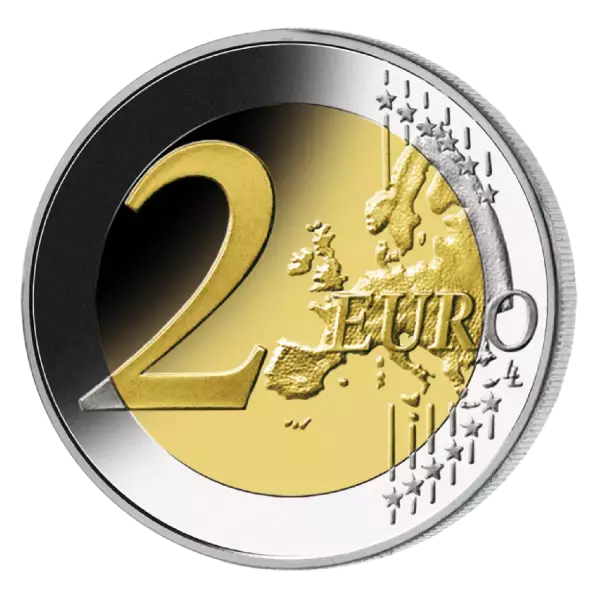

Commemorative coin of the Republic of Cyprus, issued in 2024 with a circulation of 400,000 copies. Dedicated to the 20th anniversary of Cyprus' accession to the European Union. Minted in Suomen Ragapa Oy (Finland). Bimetallic, diameter 25.75 mm, weight 8.5 g.
Overse
The center of the coin depicts a stylized composition uniting the island of Cyprus and Europe: the outline of the island of Cyprus together with the map of the European Union, the image of the EU stars. This composition symbolizes the integration of Cyprus into the European family. Around the image are the inscriptions: "ΚΥΠΡΟΣ — KIBRIS" (Cyprus in Greek and Turkish), "20 ΕΤΗ ΕΝΤΑΞΗΣ ΣΤΗΝ ΕΕ 2004-2024" (20 years of EU membership, 2004-2024). The outer ring of the coin features the 12 five-pointed stars of the European Union.
Reverse
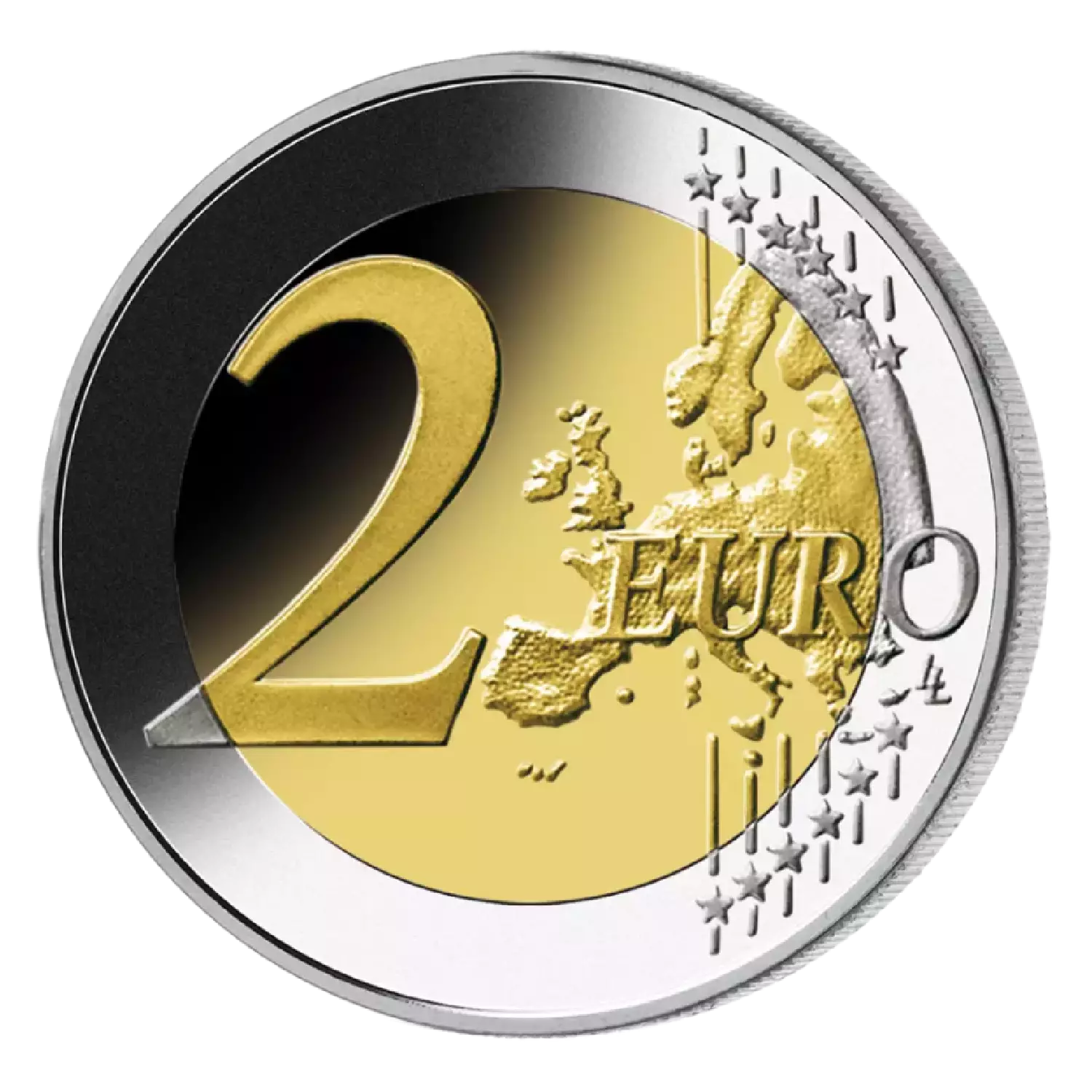
The reverse is the common side of the 2 euro coins of the second type, designed by Luc Luix (Royal Belgian Mint). It depicts a map of Europe as a single continent without internal borders, a symbol of European unity. On the left is a large denomination "2" and the inscription "EURO", on the right is a map with six thin horizontal lines in the background. On the outer ring are the 12 stars of the European Union. The band is finely fluted and has the inscription "2 ★", repeated six times, alternately upright and inverted.
Historical context
On 1 May 2004, Cyprus, together with nine other states (Czech Republic, Estonia, Hungary, Latvia, Lithuania, Malta, Poland, Slovakia, Slovenia), joined the European Union - this was the largest single enlargement of the EU in its history, often referred to as the "Eastern enlargement". The process of Cyprus' integration into the EU began in 1990 with the submission of an application for membership, continued with negotiations from 1998 and was officially agreed at the Copenhagen summit in December 2002. The Treaty on the Accession of Cyprus was signed on 16 April 2003 in Athens. A particular difficulty was that the island had been divided since 1974 into two parts - the Greek Republic of Cyprus (an EU member) and the Turkish regime in the north. A referendum for reunification (the Annan Plan) failed a week before accession. Subsequently, on 1 January 2008, Cyprus joined the eurozone. EU membership brought Cyprus economic development, investment, development funds, and freedom of movement.