
Shopping Cart
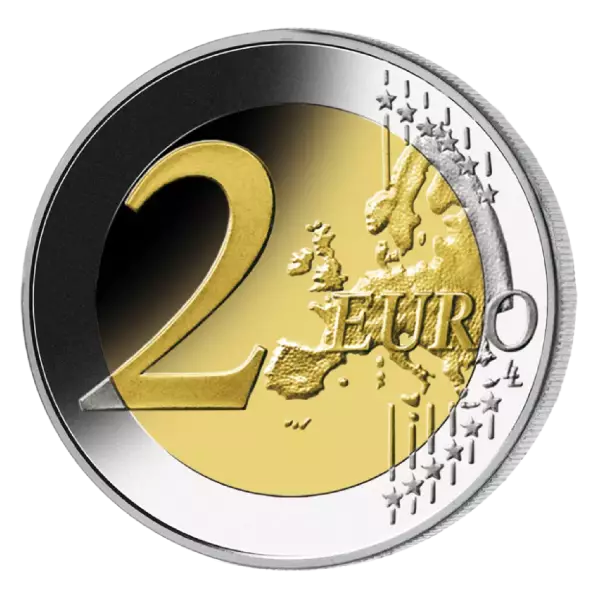

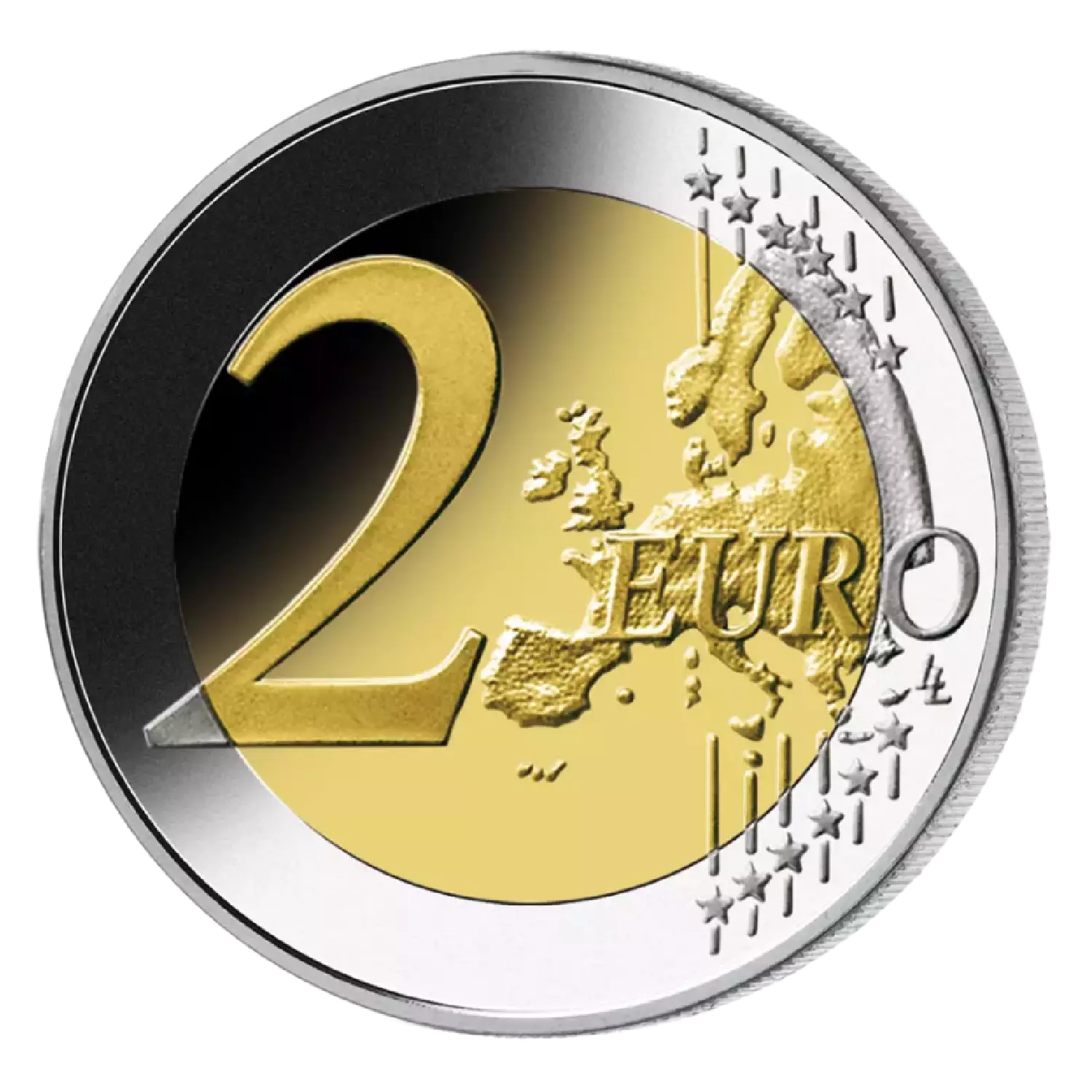
A 2 euro commemorative coin of the Republic of Malta, issued in 2012 in a circulation of 430,000 copies. The second in the series "Constitutional History of Malta". It was minted at the Paris Mint. Bimetallic, diameter 25.75 mm, weight 8.5 g.
Obverse
The center of the coin depicts a joyful crowd of people celebrating an important event in front of the facade of the Palazzo Magistrale in Valletta - the residence of the President of Malta, where the Council of Government also met. At the top is the inscription "MALTA – Majority representation 1887". At the bottom is the year of issue "2012". The mint mark is present only in FDC sets. On the outer ring are the 12 five-pointed stars of the European Union.
Reverse
The reverse is the common side of the 2 euro coins of the second type, designed by Luc Luix (Royal Belgian Mint). It depicts a map of Europe as a single continent without internal borders - a symbol of European unity. On the left is a large denomination "2" and the inscription "EURO", on the right is a map with six thin horizontal lines in the background. On the outer ring are the 12 stars of the European Union. The band is finely fluted, with the Maltese cross and the inscription "★ 2 ★".
Historical context
The Majority Representation Act of 1887 was a significant milestone in Malta's constitutional history, when the British government granted the Maltese a majority of elected seats in the Council of Government. Until 1887, the Council of Government had been largely nominated (with a small number of elected Maltese members). In 1887, Governor Sir Lionel Smet-Smith introduced the Keith-Strickland Constitution, which increased the number of elected members to 14 and appointed members to only 6 (plus the Governor as Chairman). This meant that for the first time, the Maltese had a parliamentary majority in their own advisory body. Leaders of this era included Fortunato Mizzi (the father of Maltese nationalist politics) and Gerrard Strickland. Unfortunately, this freedom was short-lived, as the constitution was suspended in 1903 and Malta reverted to its previous system. However, the experience of 1887 laid the foundation for further constitutional reforms towards self-government.