
Shopping Cart
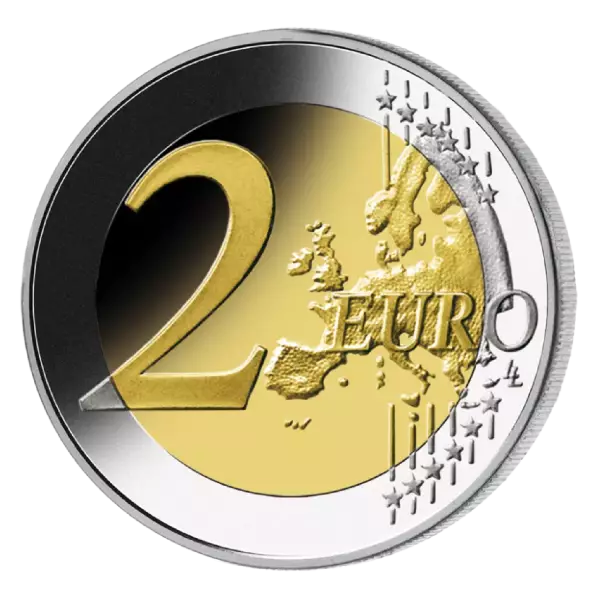

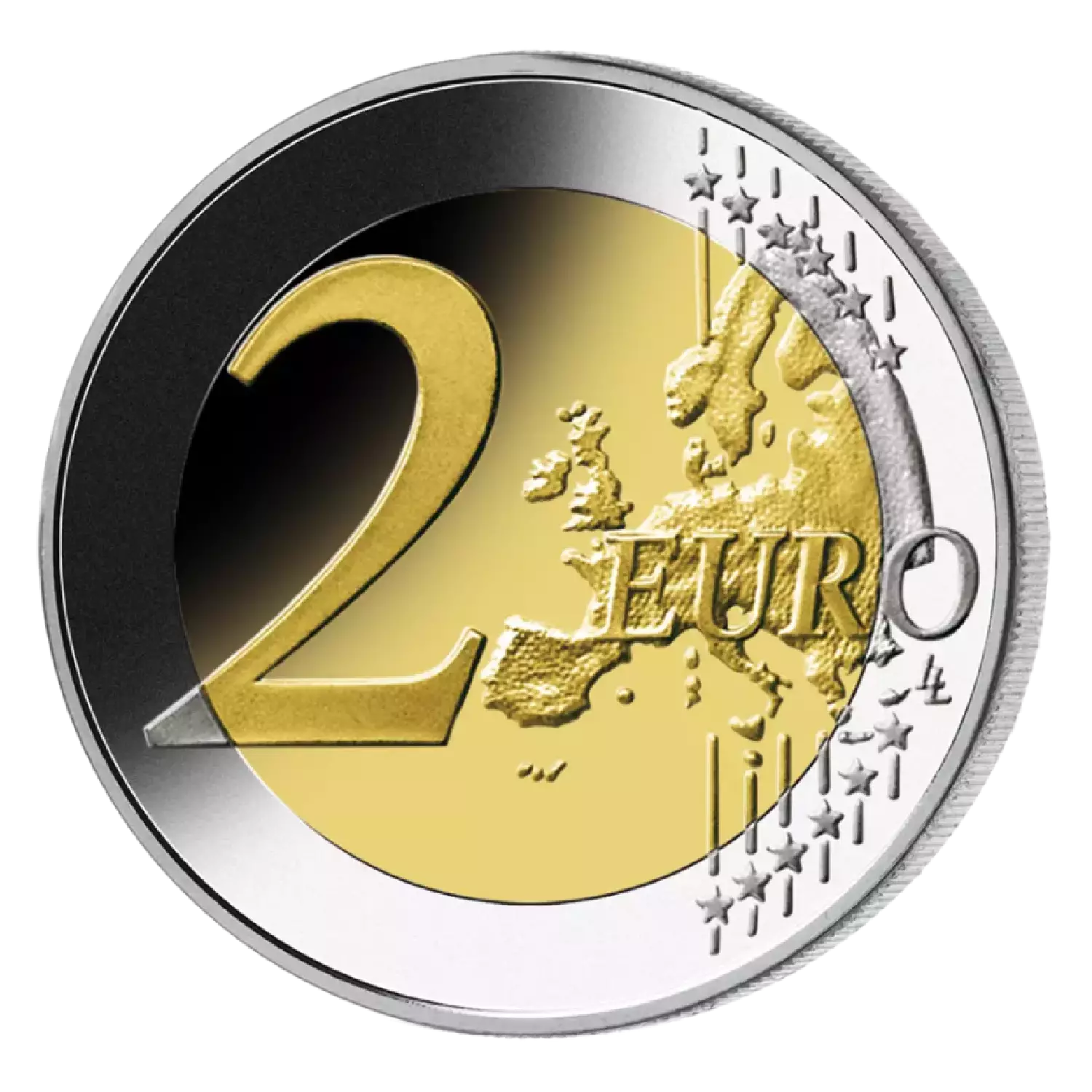
A 2 euro commemorative coin of the Republic of Malta, issued in 2013 with a circulation of 380,000 copies. The third in the series "Constitutional History of Malta". It was minted at the Paris Mint. Bimetallic, diameter 25.75 mm, weight 8.5 g.
Overse
The center of the coin depicts a stylized composition symbolizing the granting of self-government to Malta: figures of people, parliamentary symbols. At the top, along the arc, is the inscription "MALTA – Self-government 1921". At the bottom, the year of issue "2013". The mint mark is present only in FDC sets. On the outer ring are the 12 five-pointed stars of the European Union.
Reverse
The reverse is the common side of the 2 euro coins of the second type, designed by Luc Luix (Royal Belgian Mint). It depicts a map of Europe as a single continent without internal borders - a symbol of European unity. On the left is a large denomination "2" and the inscription "EURO", on the right is a map with six thin horizontal lines in the background. On the outer ring are the 12 stars of the European Union. The band is finely fluted, with the Maltese cross and the inscription "★ 2 ★".
Historical context
The Self-Government Constitution of 1921 was a turning point in the constitutional history of Malta, when the British government granted the island its first full parliament with its own legislative powers. The constitution, promulgated on 30 April 1921, created the Parliament of Malta with two chambers: the Senate (17 members) and the Assembly (32 elected members). The Parliament had power over domestic affairs (education, health, police, local government), while matters of defence, foreign policy and migration were left to the British. The first elections under the new constitution were held in 1921, and Joseph Howard of the United Political Party became the first Prime Minister. It was a true parliamentary democracy, with real party competition. However, self-government was suspended three times (1930, 1933, 1936) due to language crises and political conflicts. Nevertheless, 1921 laid the foundation for Malta's subsequent independence in 1964.