
Shopping Cart
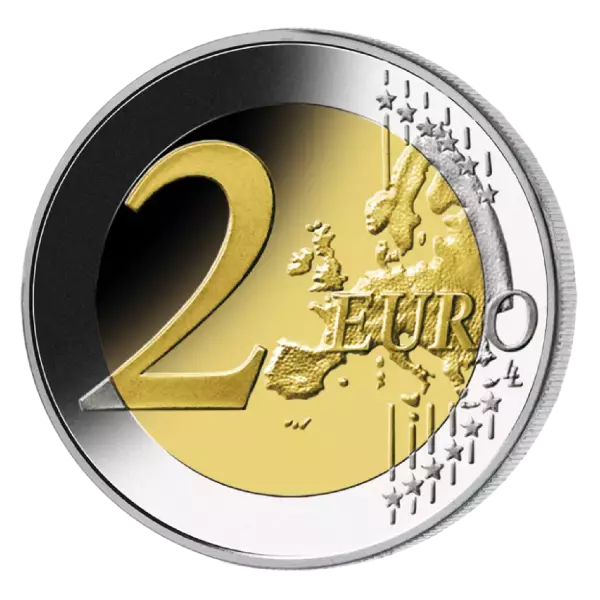

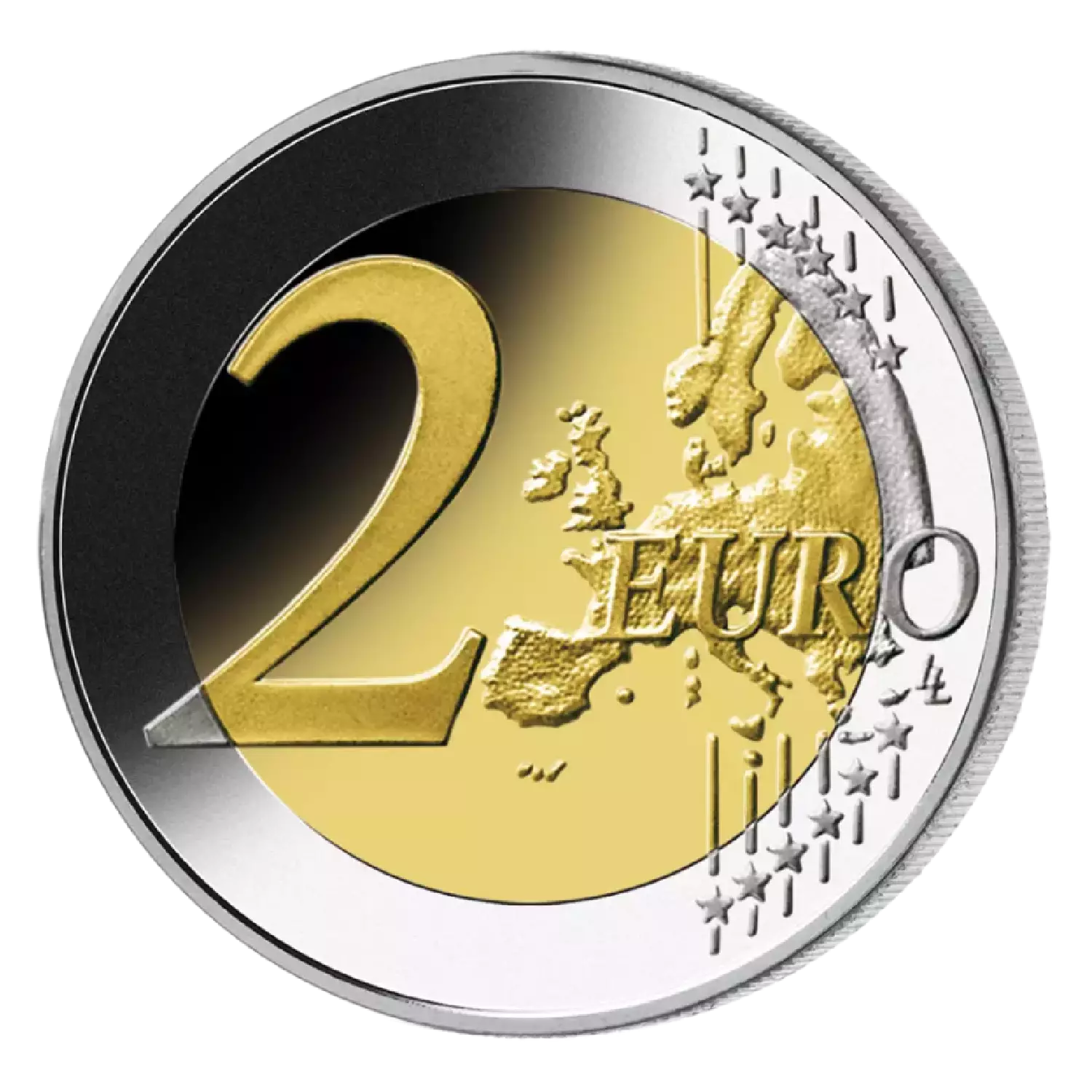
A 2 euro commemorative coin of the Republic of Malta, issued in 2017 in a circulation of 350,000 copies. The second in the "Children's Solidarity" series. It was minted at the Paris Mint. Bimetallic, diameter 25.75 mm, weight 8.5 g.
Obverse
The center of the coin depicts a stylized composition symbolizing peace: an olive branch, a dove or figures of children with outstretched arms. The design is inspired by the works of Maltese schoolchildren. On the right is the inscription "Paċi" (Peace in Maltese) and "MALTA 2017". On the outer ring are the 12 five-pointed stars of the European Union.
Reverse
The reverse is the common side of the 2 euro coins of the second type, designed by Luc Luix (Royal Belgian Mint). It depicts a map of Europe as a single continent without internal borders - a symbol of European unity. On the left is a large denomination "2" and the inscription "EURO", on the right is a map with six thin horizontal lines in the background. On the outer ring are the 12 stars of the European Union. The band is finely fluted, with the Maltese cross and the inscription "★ 2 ★".
Historical context
The theme of "Peace" (Paċi) in the Maltese "Children's Solidarity" series of 2017 is one of the most important universal human values, which the children of Malta have presented through their creative works. The series, launched in 2016, is built on the principle of involving Maltese schoolchildren in national numismatics through an open drawing competition. The theme of peace takes on particular significance in the context of Malta's role as an island in the heart of the Mediterranean, which has been the scene of numerous conflicts over the centuries - from the Knights Hospitaller to the Great Siege of 1565, the Napoleonic Wars and the Second World War (for whose defensive capabilities Malta was awarded the St. George's Cross in 1942). Today, Malta is a neutral country (enshrined in the Constitution since the 1980s), an active mediator in Mediterranean diplomacy. Proceeds from the sale of the coin in special coincards are transferred to children's charity programs and cultural and educational initiatives.