
Shopping Cart
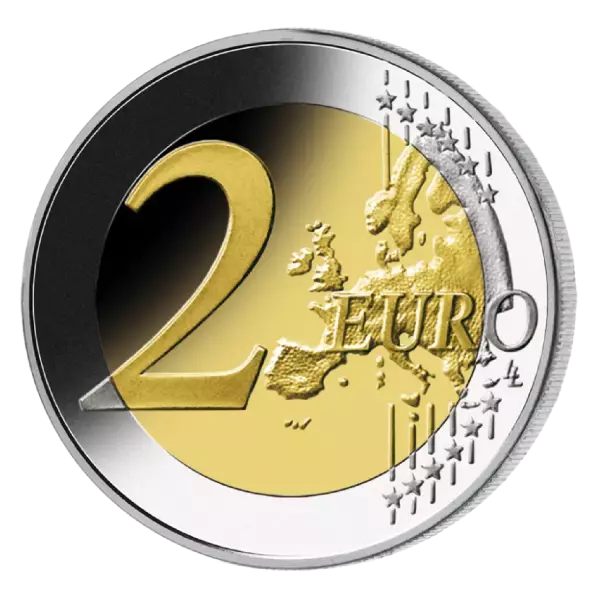

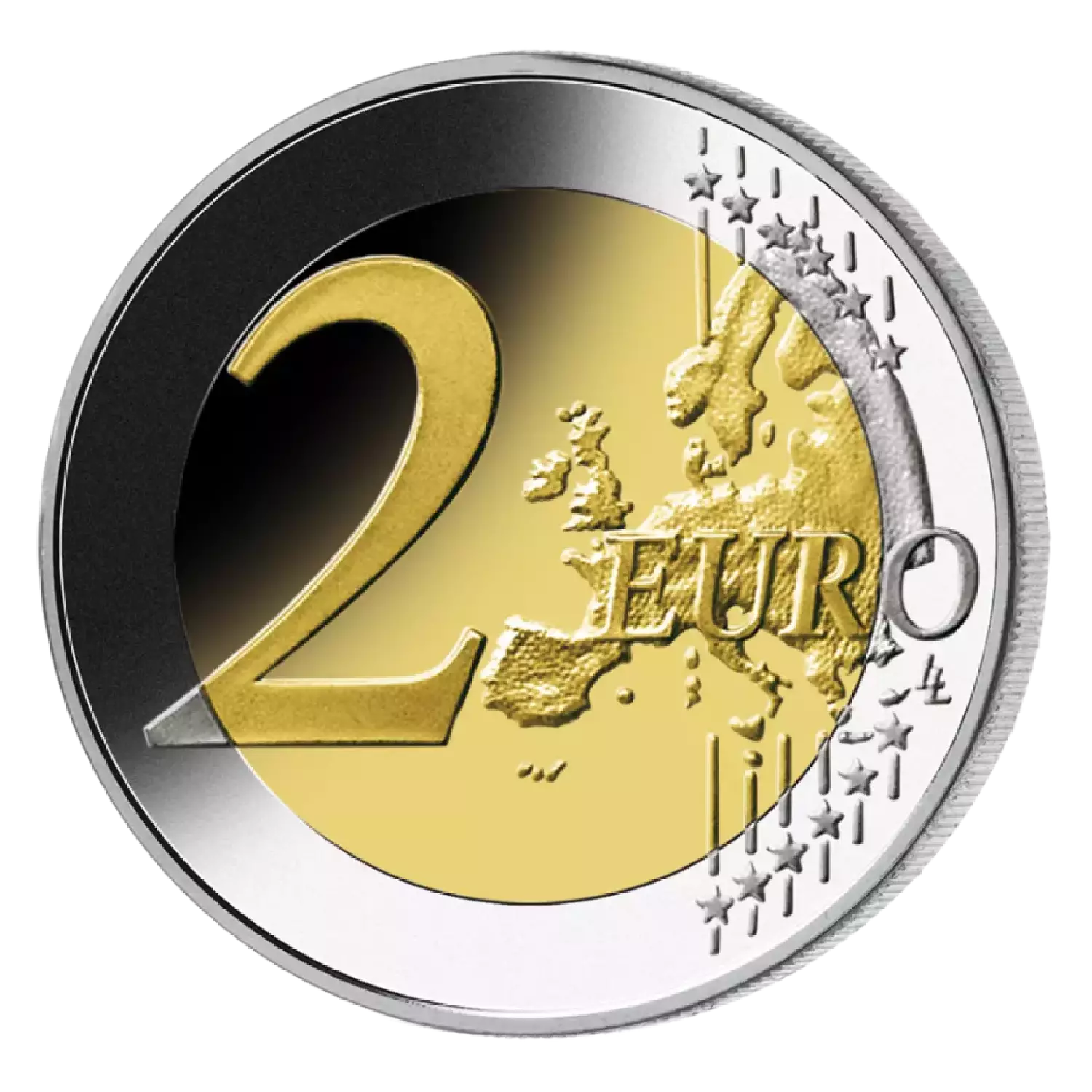
A 2 euro commemorative coin of the Republic of Malta, issued in 2020 in a circulation of 350,000 copies. The fifth in the series "Maltese Prehistoric Temples". It was minted at the Paris Mint. Bimetallic, diameter 25.75 mm, weight 8.5 g.
Obverse
The center of the coin depicts an architectural fragment of the Skorba temple complex: a characteristic entrance made of megalithic slabs, apsidal walls. At the top, along the arc, is the inscription "Templi ta' Skorba" (Temples of Skorba). Below is the name of the issuing country "MALTA" and the year "2020". On the outer ring are the 12 five-pointed stars of the European Union.
Reverse
The reverse is the common side of the 2 euro coins of the second type, designed by Luc Luix (Royal Belgian Mint). It depicts a map of Europe as a single continent without internal borders - a symbol of European unity. On the left - a large denomination "2" and the inscription "EURO", on the right - a map with six thin horizontal lines in the background. On the outer ring are the 12 stars of the European Union. The band - with thin ribbing, with a Maltese cross and the inscription "★ 2 ★".
Historical context
Ta' Skorba is an archaeological complex in Malta, located in the village of Mġarr (northwest of the island), near the Ta' Hajrat temples. It consists of two megalithic temples - the Western (3600-3200 BC, Ġgantija phase) and the Eastern (3300-2500 BC, Tarxien phase). The particular value of Sorba is that traces of a permanent settlement have been found here, which preceded the construction of the temples: this early phase is called "Grey Sorba" (4400-4100 BC) and "Red Sorba" (4400-4100 BC) based on the pottery found. Excavations were carried out by the English archaeologist David Trump in 1961-1963, which allowed to establish the chronology of the Maltese Neolithic and a unique sequence of cultural phases. Among the finds are clay female figurines symbolizing fertility goddesses, and carved stone blocks. Sorrow was included in the UNESCO World Heritage List in 1992.