
Shopping Cart
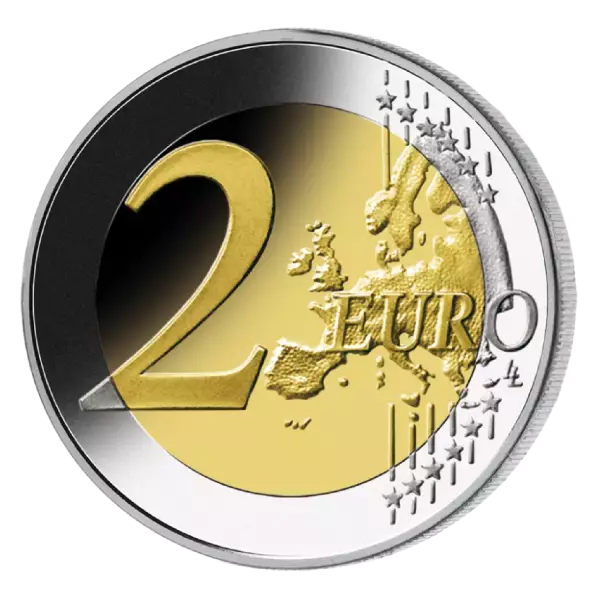

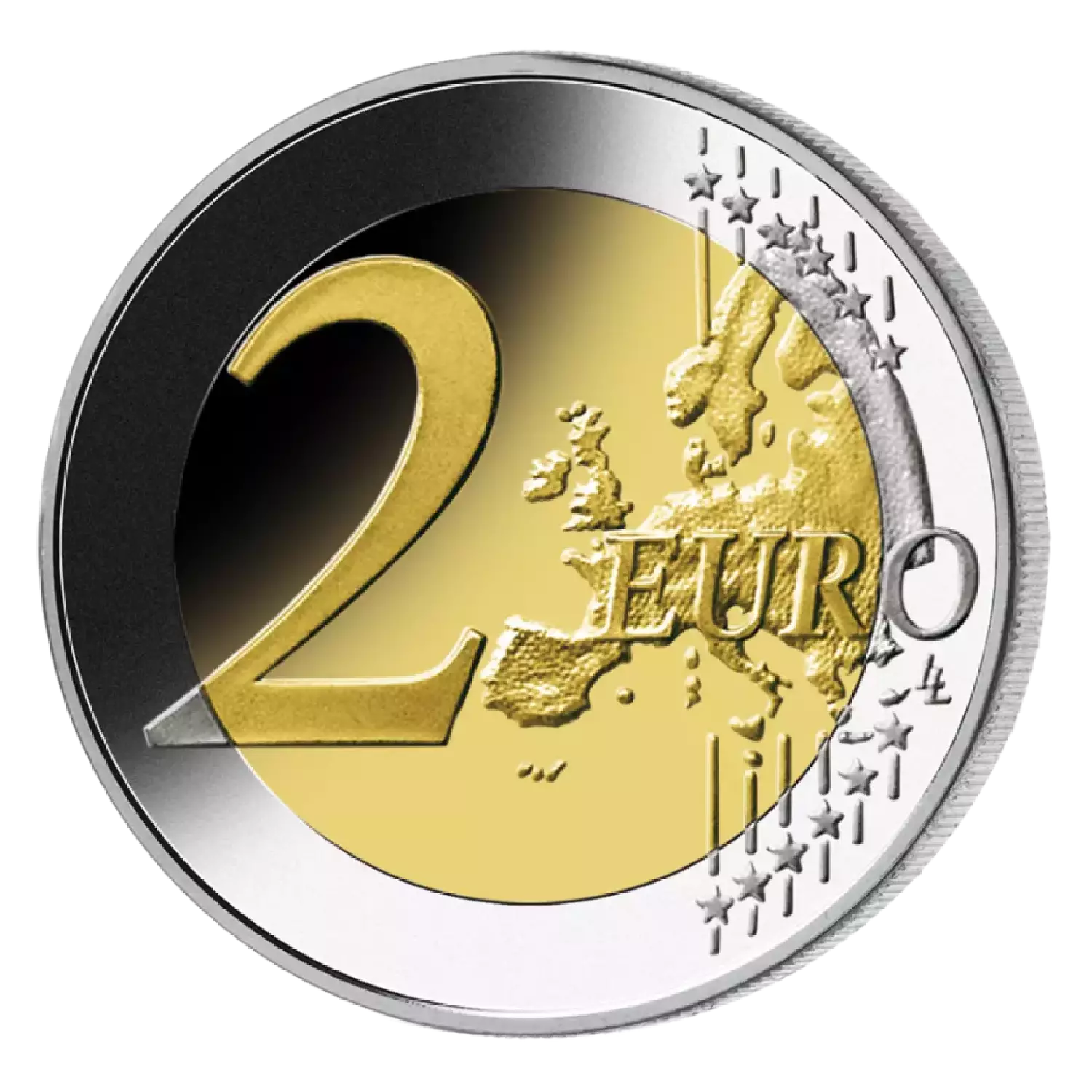
A 2 euro commemorative coin of the Republic of Malta, issued in 2024 in a circulation of 100,000 copies. The first in the series "Maltese local breeds". Dedicated to the Maltese honey bee. Minted at the Paris Mint. Bimetallic, diameter 25.75 mm, weight 8.5 g.
Obverse
The center of the coin depicts a Maltese honey bee (Apis mellifera ruttneri) on a flower, possibly an olive or citrus tree. The design is naturalistic, with the characteristic darker color of this Maltese subspecies. At the top is the inscription "Naħla tal-għasel Maltija" (Maltese honey bee). At the bottom is "MALTA" and the year "2024". On the outer ring are the 12 five-pointed stars of the EU.
Reverse
The reverse is the common side of the 2 euro coins of the second type, designed by Luc Luix (Royal Belgian Mint). It depicts a map of Europe as a single continent without internal borders - a symbol of European unity. On the left is a large denomination "2" and the inscription "EURO", on the right is a map with six thin horizontal lines in the background. On the outer ring are the 12 stars of the European Union. The band is finely grooved, with a Maltese cross and the inscription "★ 2 ★".
Historical context
The Maltese honey bee (Apis mellifera ruttneri) is an endemic subspecies of honey bee, endemic to the Maltese archipelago (Malta, Gozo, Comino). The subspecies was described in 1985 by the German entomologist Friedrich Ruttner, after whom it is named. It is characterized by a darker, almost black color, a somewhat smaller body size and a special set of genes adapted to the harsh Mediterranean conditions. Maltese beekeepers (apjari) produce thymological honey - a product obtained from local plants, especially thymol (thyme, Thymus capitatus), rosemary, wild fennel and other herbs of the Maltese garrigue. The tradition of beekeeping in Malta dates back to the Phoenicians and Romans. In 2017-2018, the subspecies was under threat due to the introduction of other breeds and a disease (Varroa). The Maltese Government and the European Union fund conservation programmes. The 2024 coin raises awareness of the importance of protecting the gene pool of native species.