
Shopping Cart
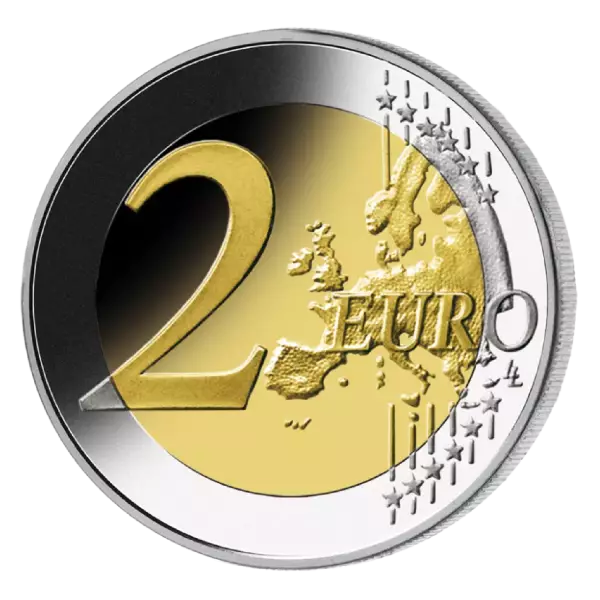

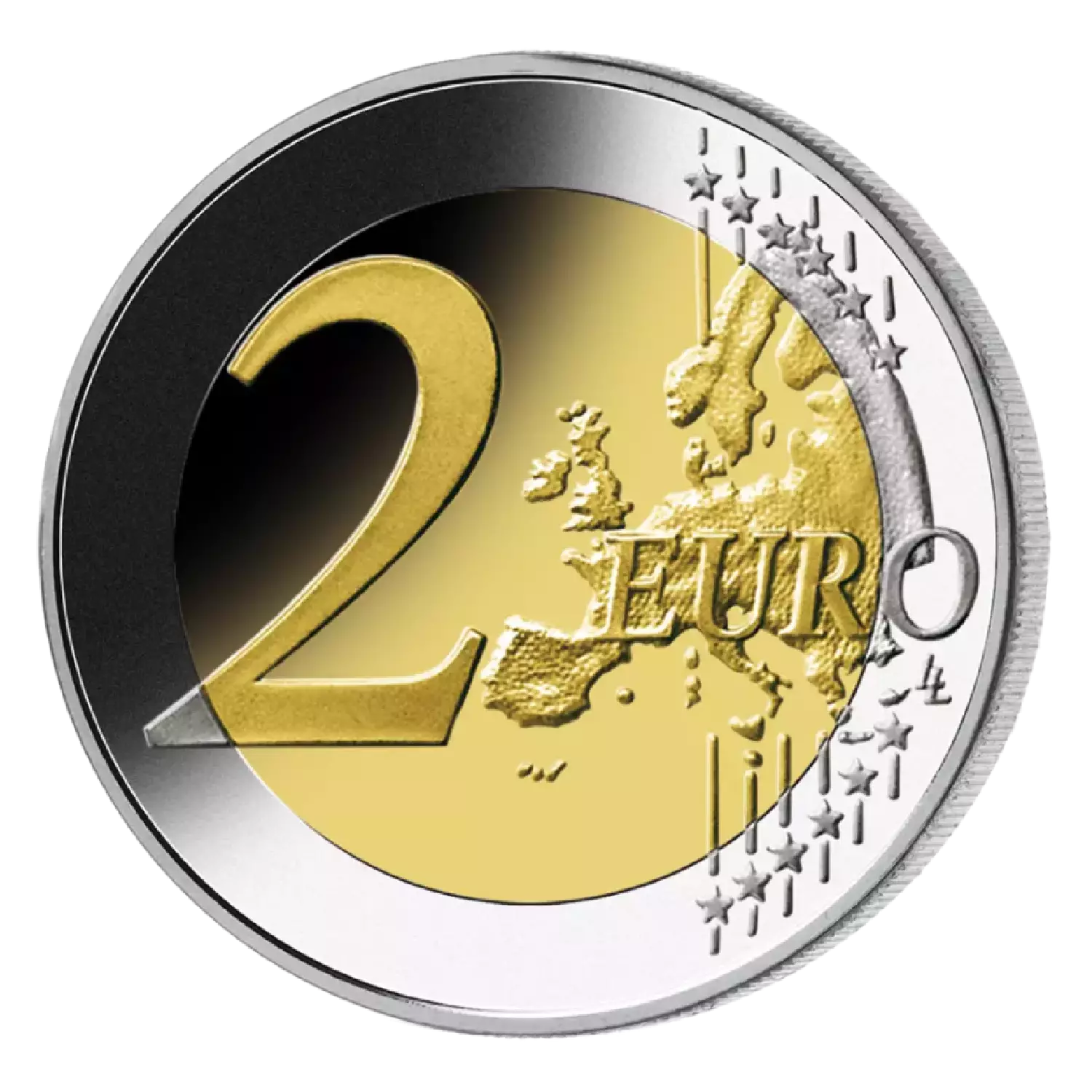
A 2 euro commemorative coin of the Republic of Malta, issued in 2025 in a circulation of 100,000 copies. The second in the series "Maltese Local Breeds". Dedicated to the Maltese Bull. Minted at the Paris Mint. Bimetallic, diameter 25.75 mm, weight 8.5 g.
Obverse
The center of the coin depicts the head of a Maltese bull with the characteristic features of the breed: large horns, a muscular neck, a well-developed body adapted to the harsh rural conditions of the island. At the top is the inscription "Baqra Maltija" (Maltese Bull in Maltese). At the bottom is "MALTA" and the year "2025". On the outer ring are the 12 five-pointed stars of the European Union.
Reverse
The reverse is the common side of the 2 euro coins of the second type, designed by Luc Luix (Royal Belgian Mint). It depicts a map of Europe as a single continent without internal borders - a symbol of European unity. On the left is a large denomination "2" and the inscription "EURO", on the right is a map with six thin horizontal lines in the background. On the outer ring are the 12 stars of the European Union. The band is finely ribbed, with the Maltese cross and the inscription "★ 2 ★".
Historical context
The Maltese Bull (Il-Baqra Maltija) is a traditional breed of cattle of Malta, which emerged on the island over the centuries as a result of natural selection and crossings of local cows with Italian, Greco-Mediterranean and North African breeds. For millennia, cattle have been the basis of Maltese agriculture: bulls were used as draft power for plowing stony soils, and cows provided milk for the production of traditional cheeses - ġbejna (ġbejna). The breed is distinguished by its endurance to the hot Mediterranean climate, small amounts of water and roughage. In the 20th century, the breed declined significantly due to the import of industrial breeds (Holstein) and changes in agriculture. Today, the Maltese bull is in danger of extinction, with fewer than 200 remaining on the island. The Maltese government, in cooperation with the European Union, is implementing programs to preserve native breeds. The 2025 coin highlights the importance of preserving agricultural heritage.