
Shopping Cart
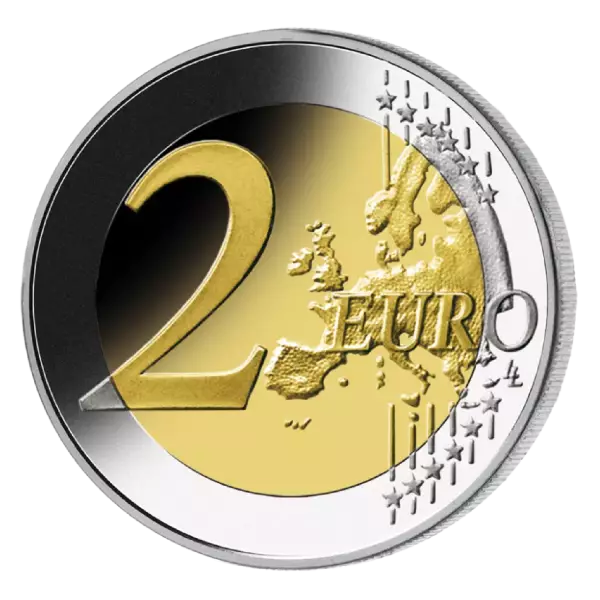

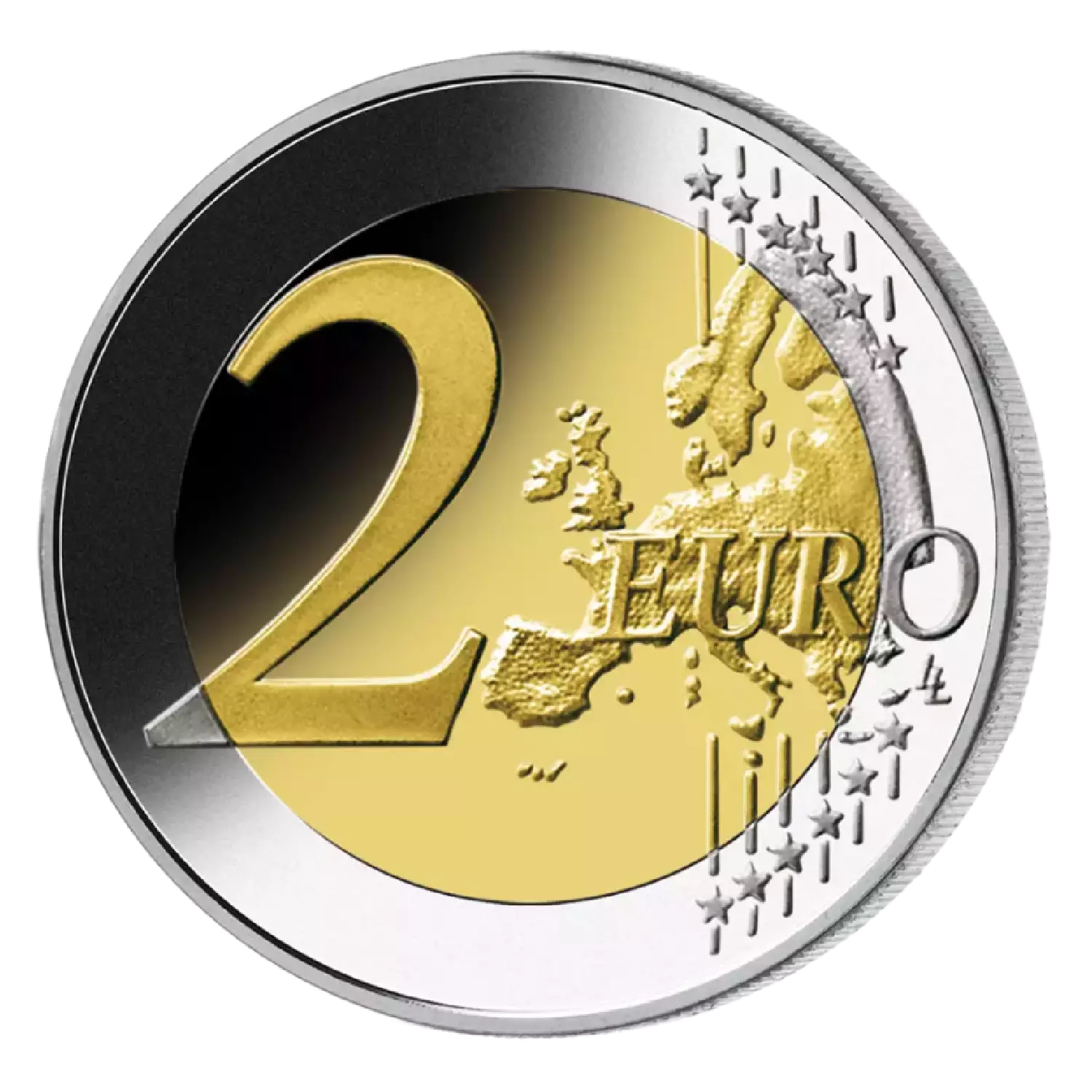
Commemorative coin of 2 euros of Portugal, issued in 2013 with a circulation of 520,000 copies. Dedicated to the 250th anniversary of the Clérigos Tower. Minted at INCM, Lisbon. Bimetallic, diameter 25.75 mm, weight 8.5 g.
Obverse
The center of the coin depicts the tall Baroque-Rococo Clérigos Tower in Porto with characteristic carved elements. Above — «TORRE DOS CLÉRIGOS», below — «PORTUGAL 1763-2013». INCM mark. On the outer ring — 12 five-pointed stars of the European Union.
Reverse
The reverse is the common side of the 2 euro coins of the second type, designed by Luc Luix (Royal Belgian Mint). Depicts a map of Europe as a single continent without internal borders - a symbol of European unity. On the left - a large denomination "2" and the inscription "EURO", on the right - a map with six thin horizontal lines on the background. On the outer ring - 12 stars of the European Union. The band - with thin ribbing and an inscription with five shields alternating with seven castles - motifs of the Portuguese coat of arms.
Historical context
The Clérigos Tower (Torre dos Clérigos) is a characteristic Baroque-Rococo tower in the historic center of Porto, the bell tower of the eponymous Clérigos Church (Igreja dos Clérigos). Designed by the Italian architect Niccolò Nasoni (1691-1773), who lived in Porto from 1725. The construction of the tower lasted from 1754 to 1763, after the completion of the church (1732-1750). The height is 75.6 meters, in the 18th century it was the tallest building in Portugal. It served as a landmark for ships entering the port of Porto on the Douro. It has 240 steps to the observation deck, from which a panorama of the entire city and the Douro River opens. It is one of the most famous architectural monuments of Porto and a symbol of the city. Nasoni is the author of many other Baroque buildings in Porto: the Palazzo São João Novo, the facade of the Cathedral. He himself is buried in the crypts of the Clérigos church. In 2013, the 250th anniversary of the tower was celebrated.