
Shopping Cart
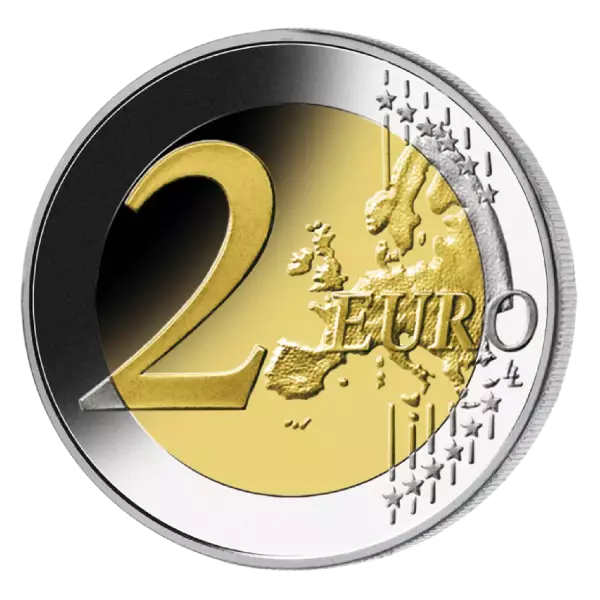

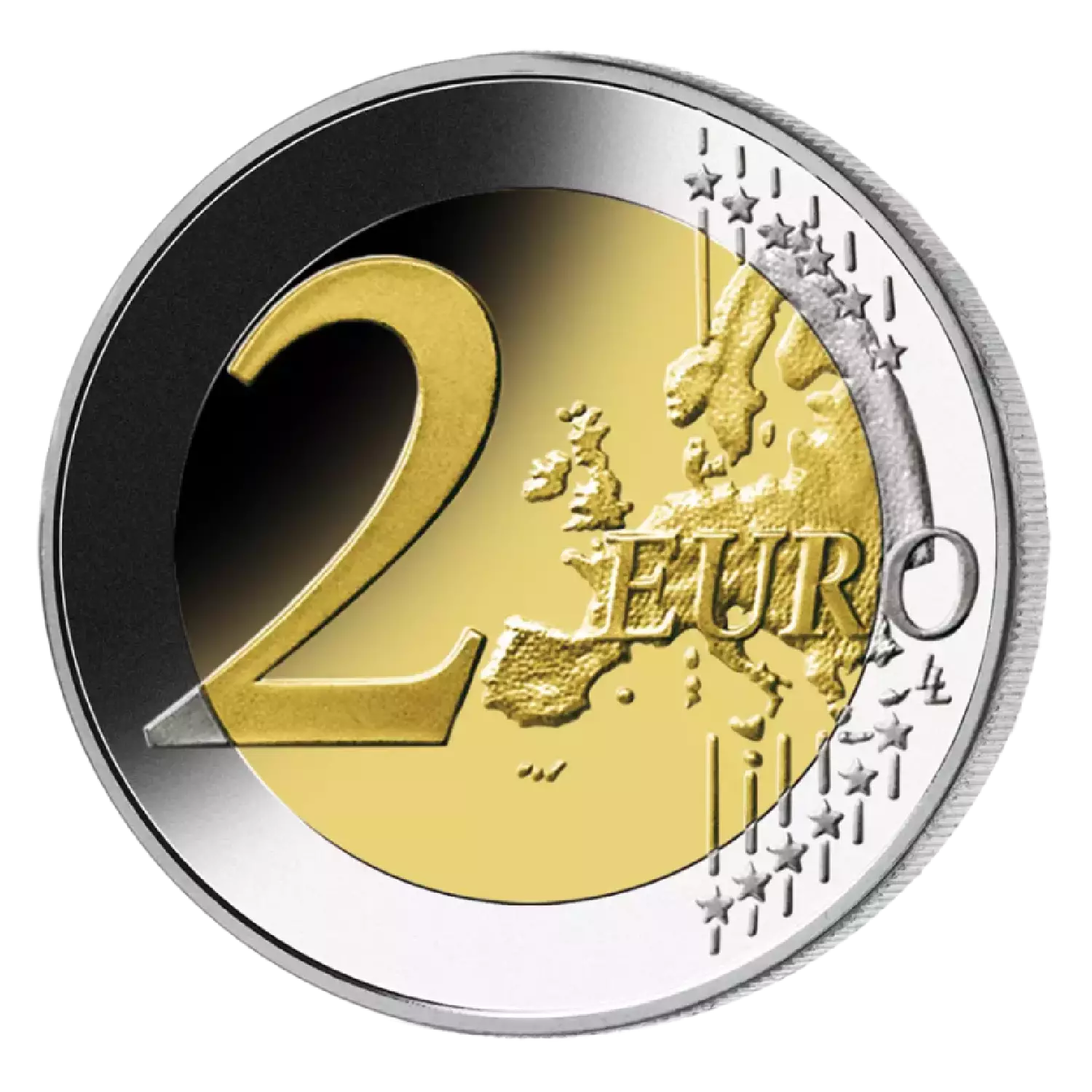
Commemorative coin of 2 euros of Portugal, issued in 2025 with a circulation of 520,000 copies. Dedicated to scouting. Minted at INCM, Lisbon. Bimetallic, diameter 25.75 mm, weight 8.5 g.
Obverse
In the center of the coin is a stylized scout emblem - a lily (fleur-de-lis), or a symbol of the scout movement. Next to it are figures of scouts in uniform. Above - "ESCUTISMO", below - "PORTUGAL 2025". INCM mark. On the outer ring - 12 five-pointed stars of the European Union.
Reverse
The reverse is the common side of the 2 euro coins of the second type, designed by Luc Luix (Royal Belgian Mint). Depicts a map of Europe as a single continent without internal borders - a symbol of European unity. On the left - a large denomination "2" and the inscription "EURO", on the right - a map with six thin horizontal lines on the background. On the outer ring - 12 stars of the European Union. The band - with thin ribbing and the inscription of five shields alternating with seven castles - motifs of the Portuguese coat of arms.
Historical context
Scouting (Scouting, escutismo) is a global youth movement founded in 1907 by British military Lieutenant General Robert Stevenson Smith Baden-Powell (1857-1941) on Brownsea Island (England), where he held the first scout camp with 22 boys. In 1908, Baden-Powell published the book Scouting for Boys, which launched the worldwide movement. Today, the World Organization of the Scout Movement (WOSM) has about 50 million Scouts in over 170 countries. The Scout philosophy is learning through action, respect for nature, service to the community, and character development through play and adventure. The Scout Promise: "On my word of honor, I promise to do my best..." The emblem is a fleur-de-lis, a stylized north compass point. In Portugal, Scouting has a history of over a century: the Corpo Nacional de Escutas (CNE) is the largest Scout organization, founded in 1923 with a religious Catholic overtone. The Association of Scouts of Portugal (AEP, since 1913) operates nearby - for all faiths.