
Shopping Cart
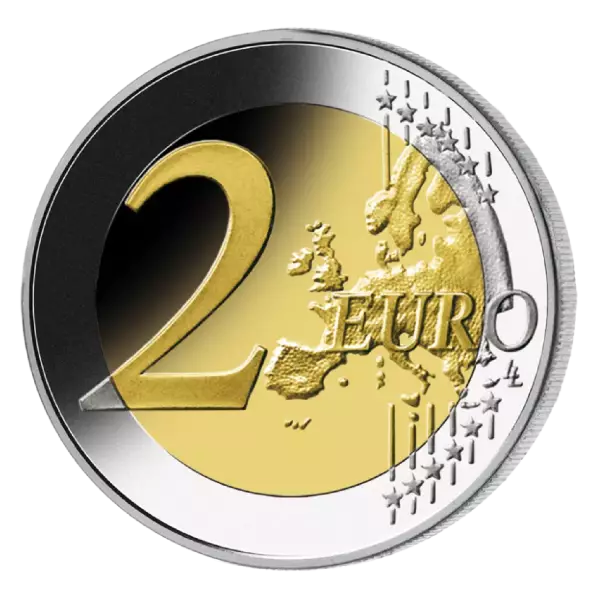

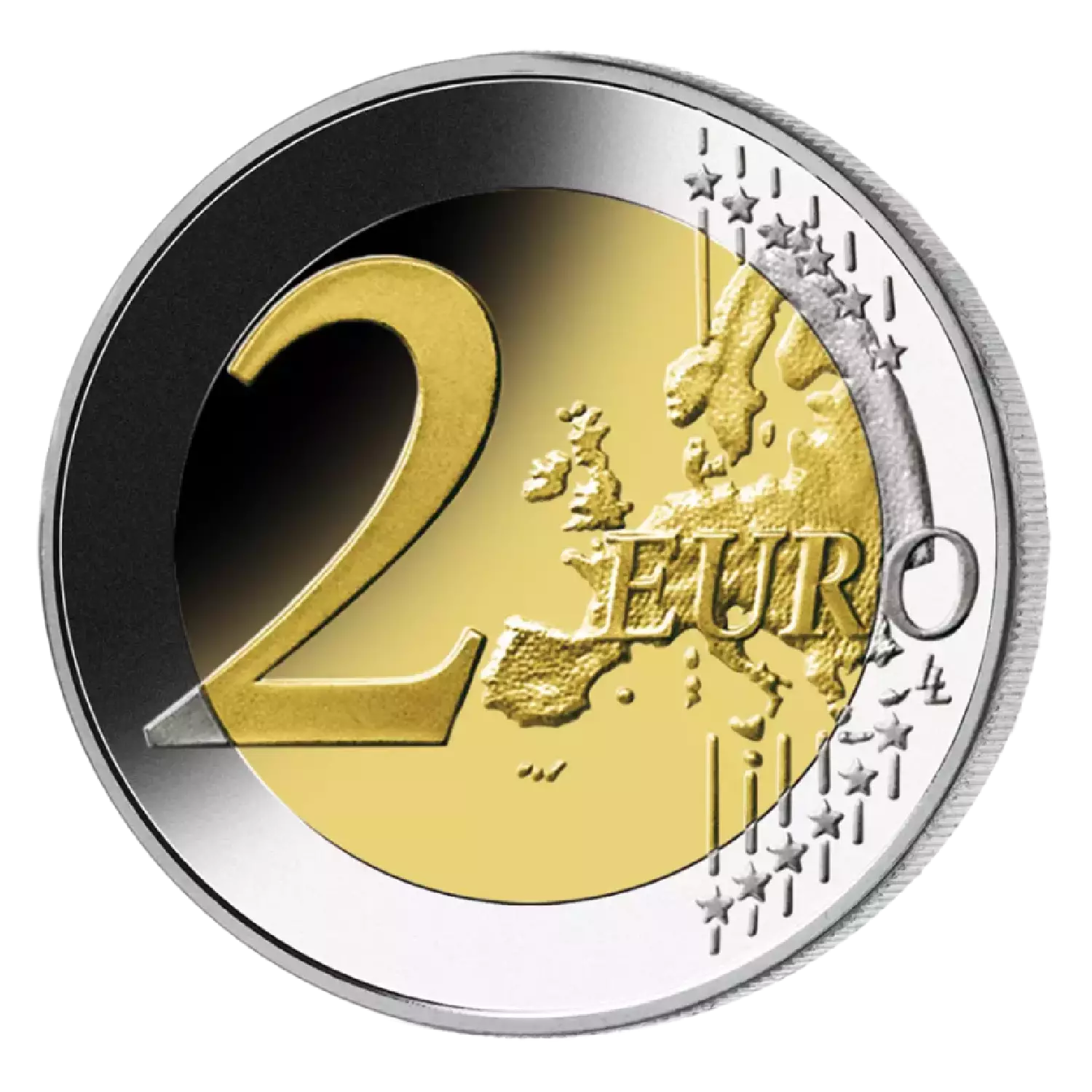
A 2 euro commemorative coin of the Republic of San Marino, issued in 2008 in a circulation of 130,000 copies. Dedicated to the European Year of Intercultural Dialogue. Minted at IPZS, Rome. Bimetallic, diameter 25.75 mm, weight 8.5 g.
Obverse
The center of the coin depicts a stylized composition of human figures of different colors holding hands around the globe - a symbol of unity in the diversity of cultures. Above - "ANNO EUROPEO DEL DIALOGO INTERCULTURALE", below - "San Marino 2008". Mark "R". On the outer ring are the 12 five-pointed stars of the European Union.
Reverse
The reverse is the common side of the 2 euro coins of the second type, designed by Luc Luix (Royal Belgian Mint). It depicts a map of Europe as a single continent without internal borders - a symbol of European unity. On the left is a large denomination "2" and the inscription "EURO", on the right is a map with six thin horizontal lines in the background. On the outer ring are the 12 stars of the European Union. The band is finely grooved, with the inscription "2 ★" repeated 6 times, alternately upright and inverted.
Historical context
The European Year of Intercultural Dialogue (EYID 2008) is an initiative of the European Union, proclaimed in 2008 in accordance with the decision of the European Parliament and of the Council 1983/2006/EC of 18 December 2006. The aim was to promote intercultural dialogue as a means for active European citizenship, especially in the context of the EU enlargement in 2004 and 2007, which brought new cultures from Central and Eastern Europe to the EU. The slogan of the year is "Together in Diversity". Numerous events were held in all 27 EU countries: festivals, exhibitions, conferences, educational programs. The budget is 10 million euros. Special attention was paid to mutual understanding of cultural, religious, and ethnic differences; integration of migrant communities; the role of art and education in dialogue. San Marino, although not a member of the EU, is closely connected with Italy and European culture - that is why it issued a commemorative coin. The topic is also relevant in times of increasing migration in Europe and cultural disputes.