
Shopping Cart
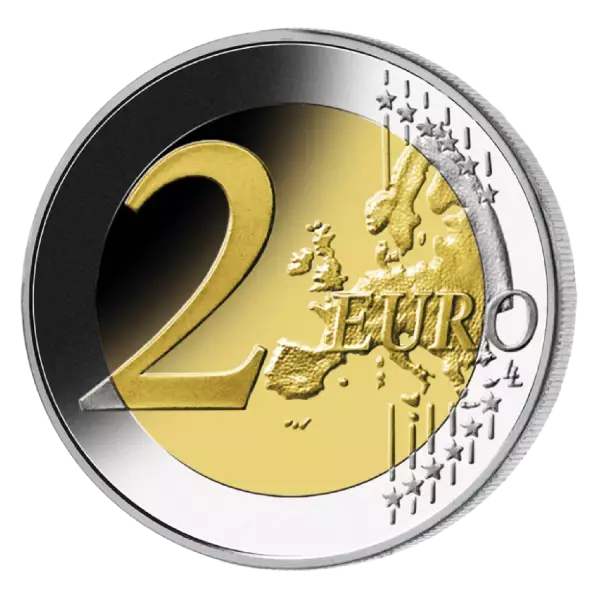

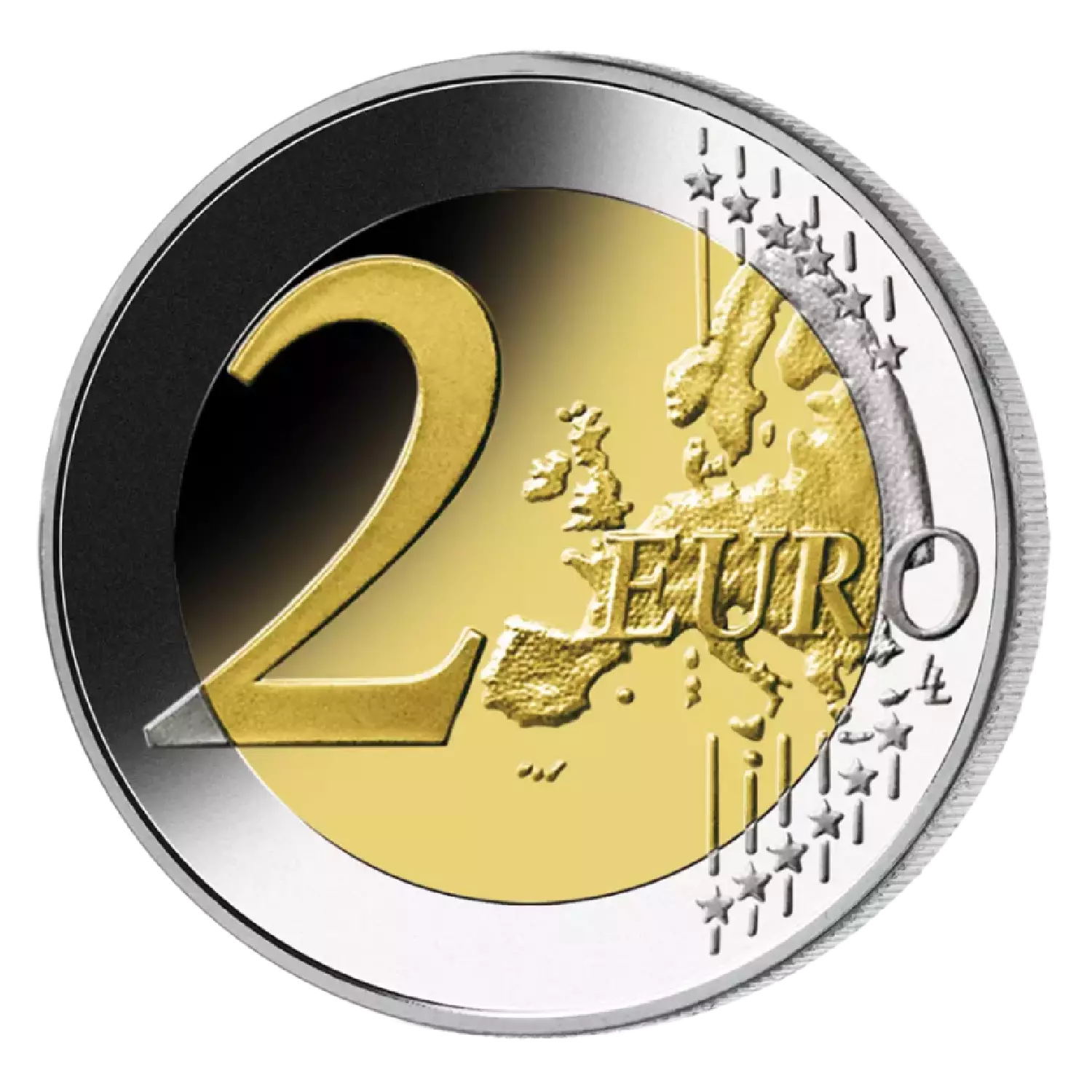
2 euro commemorative coin of the Republic of San Marino, issued in 2010 in a circulation of 130,000 copies. Dedicated to the 500th anniversary of the death of Sandro Botticelli. Minted at IPZS, Rome. Bimetallic, diameter 25.75 mm, weight 8.5 g.
Obverse
In the center of the coin is a fragment of the famous painting "The Birth of Venus" (Nascita di Venere, 1485) - the head of the goddess with characteristic wavy hair. At the top - "San Marino". At the bottom - "BOTTICELLI" and the dates "1510-2010". Mark "R". On the outer ring are the 12 five-pointed stars of the European Union.
Reverse
The reverse is the common side of the 2 euro coins of the second type, designed by Luc Luix (Royal Belgian Mint). It depicts a map of Europe as a single continent without internal borders - a symbol of European unity. On the left is a large denomination "2" and the inscription "EURO", on the right is a map with six thin horizontal lines in the background. On the outer ring are the 12 stars of the European Union. The rim is finely fluted, with the inscription "2 ★" repeated 6 times, alternately upright and inverted.
Historical context
Sandro Botticelli (Sandro Botticelli, real name Alessandro di Mariano di Vanni Filipepi, March 1, 1445 - May 17, 1510) was an outstanding Florentine artist of the Early Renaissance, one of the most famous masters of the era. Born in Florence to a modest family. A student of Filippo Lippi. In 1470-1480, he was the main artist in Florence, received an order from the Medici family. Among his most famous masterpieces: "The Birth of Venus" (Nascita di Venere, c. 1485), "Spring" (Primavera, c. 1482) - both in the Uffizi, Florence; "Adoration of the Magi", numerous Madonnas. In 1481-1482 he participated in the paintings of the Sistine Chapel in the Vatican together with other Florentines. In the 1490s, under the influence of Savonarola's sermons, he became deeply religious, his style became ascetic. He died on May 17, 1510 in Florence in oblivion - his style went out of fashion, giving way to Leonardo and Michelangelo. Rediscovered in the 19th century. by the Pre-Raphaelites and is now considered one of the greatest artists of the Renaissance.