
Shopping Cart
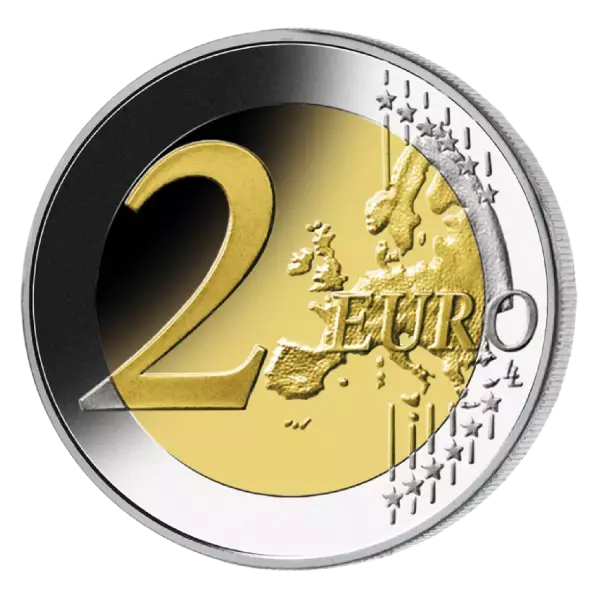

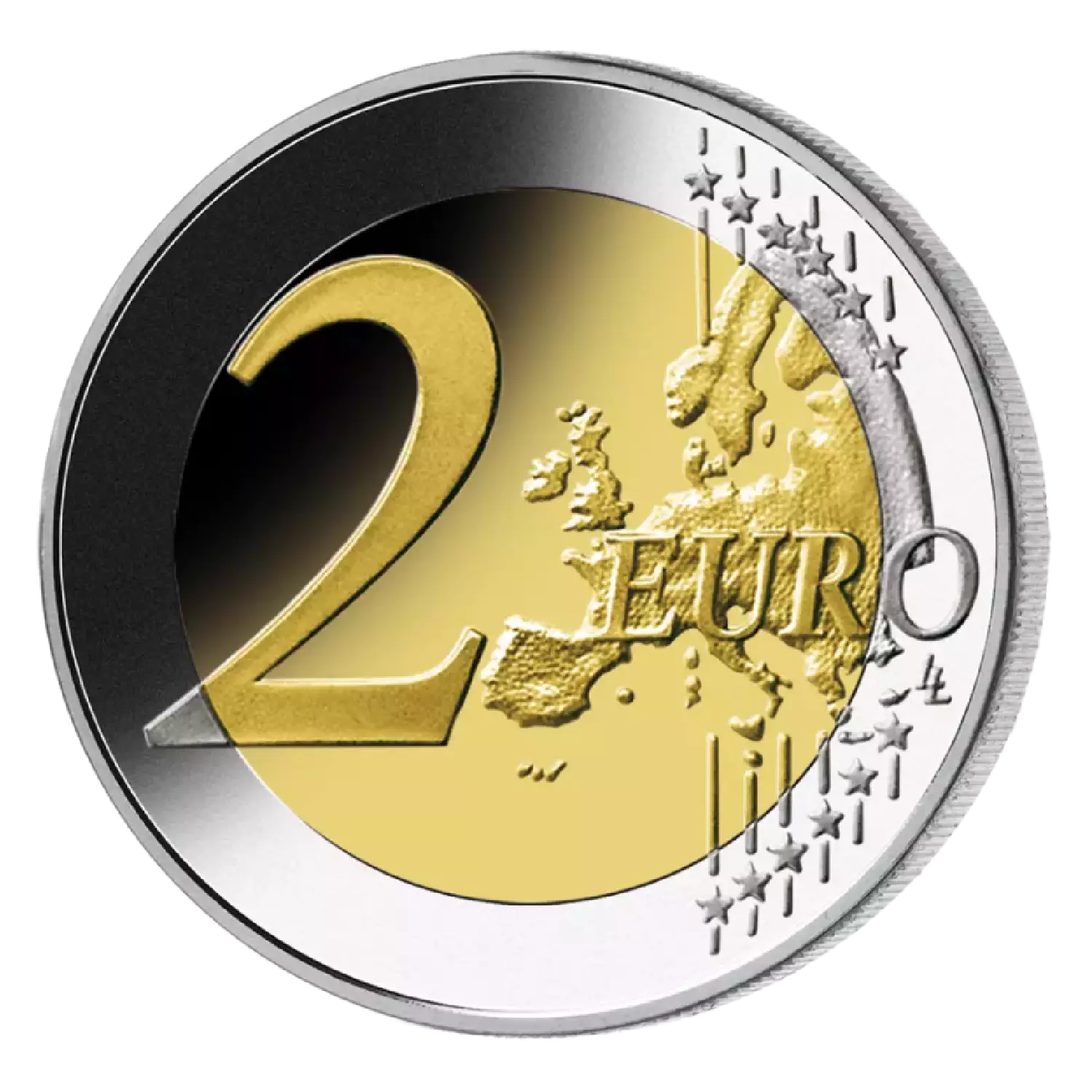
2 Euro commemorative coin of the Italian Republic, issued on 20 May 2013 in a circulation of 10,000,000 copies. Dedicated to the 200th anniversary of the birth of Giuseppe Verdi. The author of the design is Maria Grazia Urbani (UP). Bimetallic, diameter 25.75 mm, weight 8.5 g. Minted at IPZS in Rome.
Obverse
The center of the coin depicts a portrait of Giuseppe Verdi in a characteristic profile, with a thick beard and a pensive expression - one of the most recognizable images of the composer in his old age. On the left is the name "GIUSEPPE VERDI", on the right - the years "1813-2013". At the bottom - the monogram "RI" (Repubblica Italiana). Also on the coin's field is the mint mark "R" (Rome) and the initials of the author "UP". On the outer ring are the 12 five-pointed stars of the European Union.
Reverse
The reverse is the common side of the 2 euro coins of the second type, designed by Luc Luix (Royal Belgian Mint). It depicts a map of Europe as a single continent without internal borders - a symbol of European unity. On the left is a large denomination "2" and the inscription "EURO", on the right is a map with six thin horizontal lines in the background. On the outer ring are the 12 stars of the European Union. The band is finely grooved and has the inscription "2 ★", repeated six times, alternately upright and inverted.
Historical context
Giuseppe Fortunino Francesco Verdi (1813-1901) is one of the greatest opera composers in the world, a symbol of the Italian Risorgimento and national culture of the 19th century. He was born on October 10, 1813 in Le Roncole (province of Parma). He wrote 28 operas, most of which are still part of the standard opera repertoire: Nabucco (1842, with the famous chorus "Va, pensiero" - the unofficial anthem of the Risorgimento), Hernani, Rigoletto (1851), Il trovatore (1853), La traviata (1853), Il vespa siciliane, Un ballo in maschera, Don Carlo, Aida (1871), Otello (1887), Falstaff (1893). Verdi's work is distinguished by its melodiousness, strong dramatic characters and beautiful orchestration. He was elected a deputy to the first parliament of a united Italy in 1861. He also wrote Requiem (1874) for the death of Manzoni. He died on January 27, 1901 in Milan. Buried in the Casa di Riposo for elderly musicians, which he founded.